Insight · Facility management
Camp life support, explained
What camp life support covers in Somalia, from accommodation and dining to power, water and waste, and how to specify it for a compound or base.
· 3 min read
Life support is the set of services that let people live and work on a remote site. In Somalia, where many compounds, camps and bases operate away from normal city services, life support covers almost everything residents need: a bed, meals, clean water, power, laundry, sanitation and a safe, well-kept site. When it works well, nobody notices. When it fails, the mission suffers.
What life support covers
The scope varies by site, but most life support contracts combine hard services, which keep the infrastructure running, and soft services, which look after the people. A typical scope includes:
- Accommodation and camp management
- Dining facility (DFAC) operations and food supply
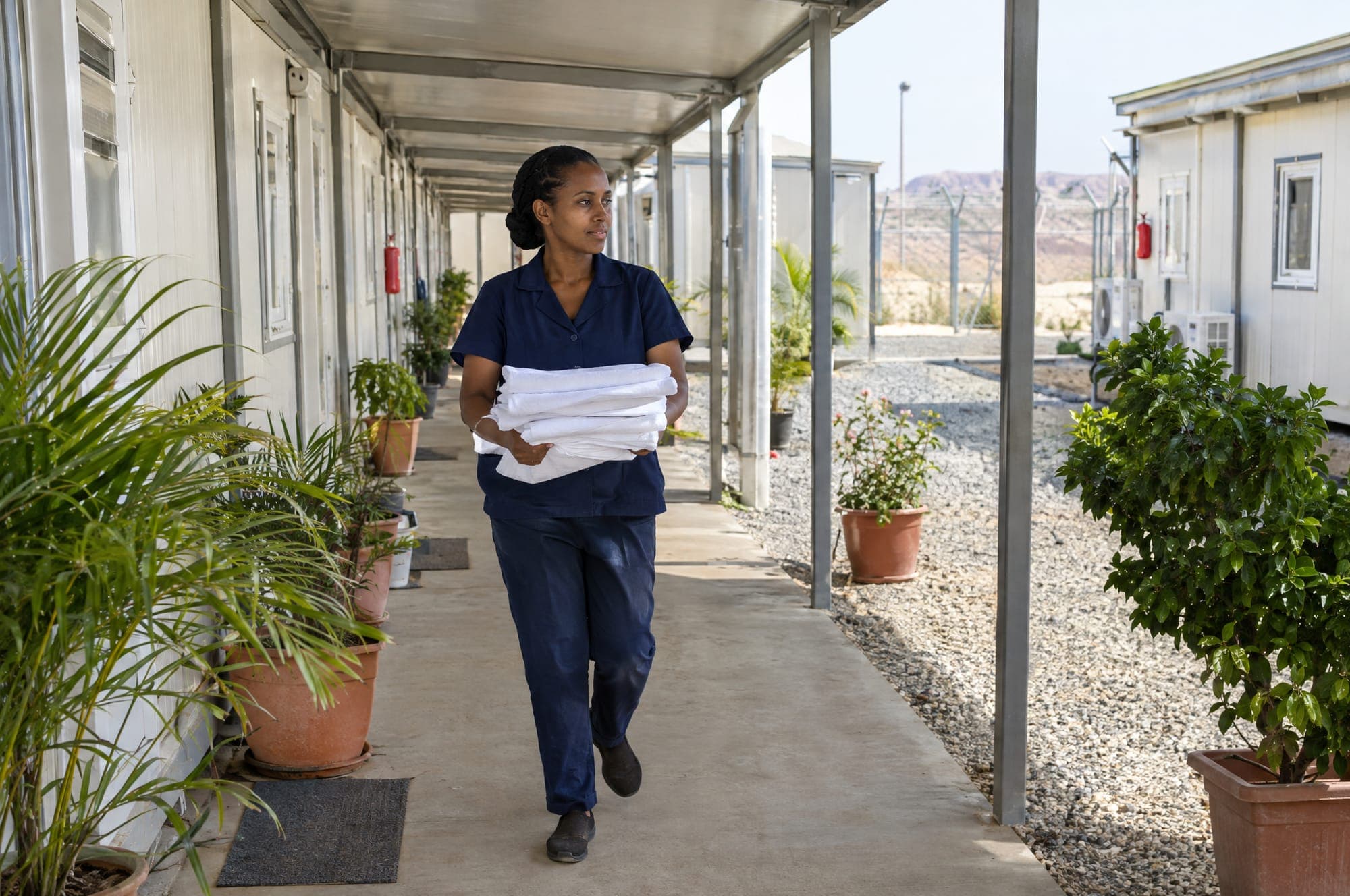
- Laundry, linen, housekeeping and janitorial services
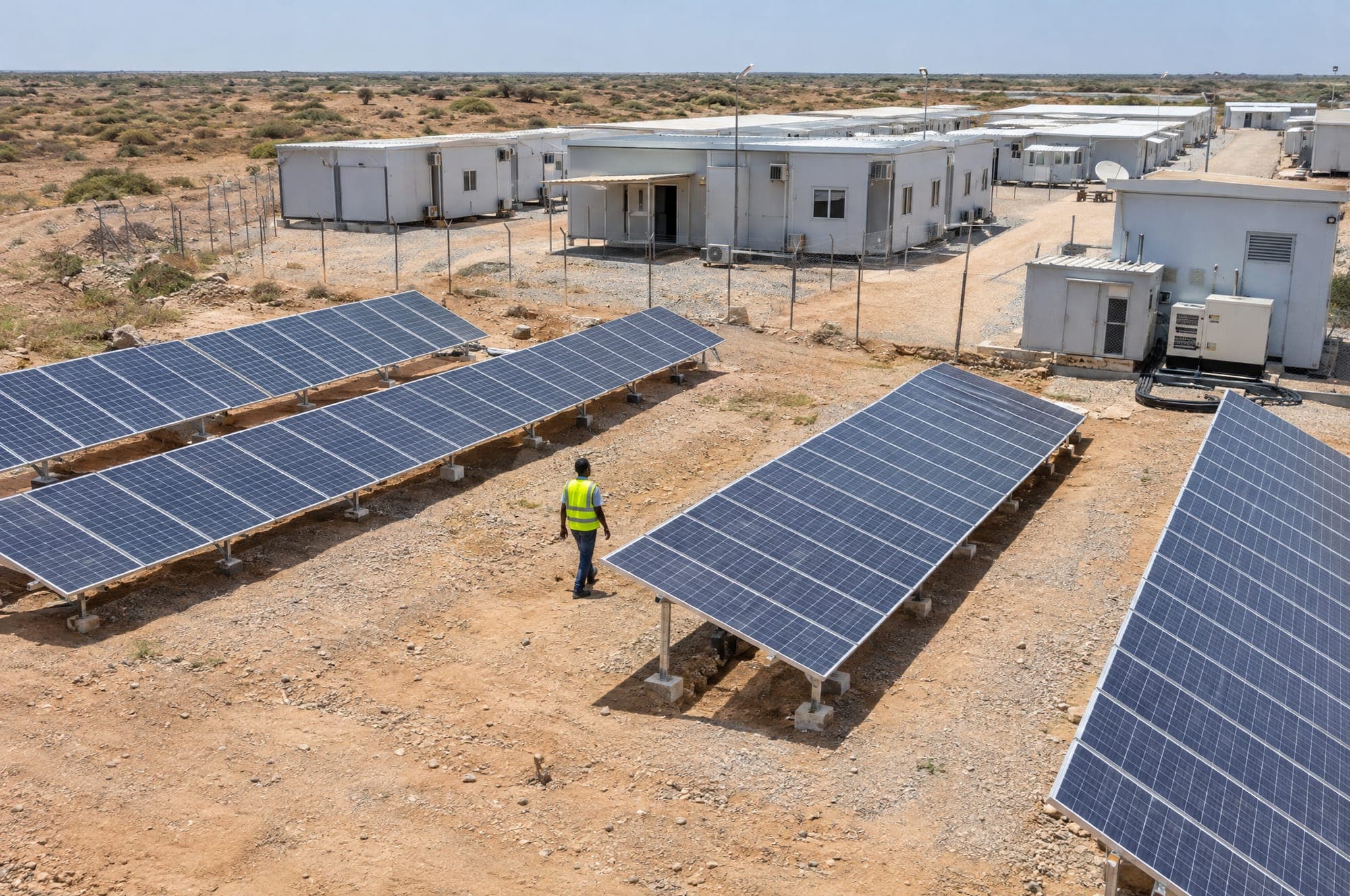
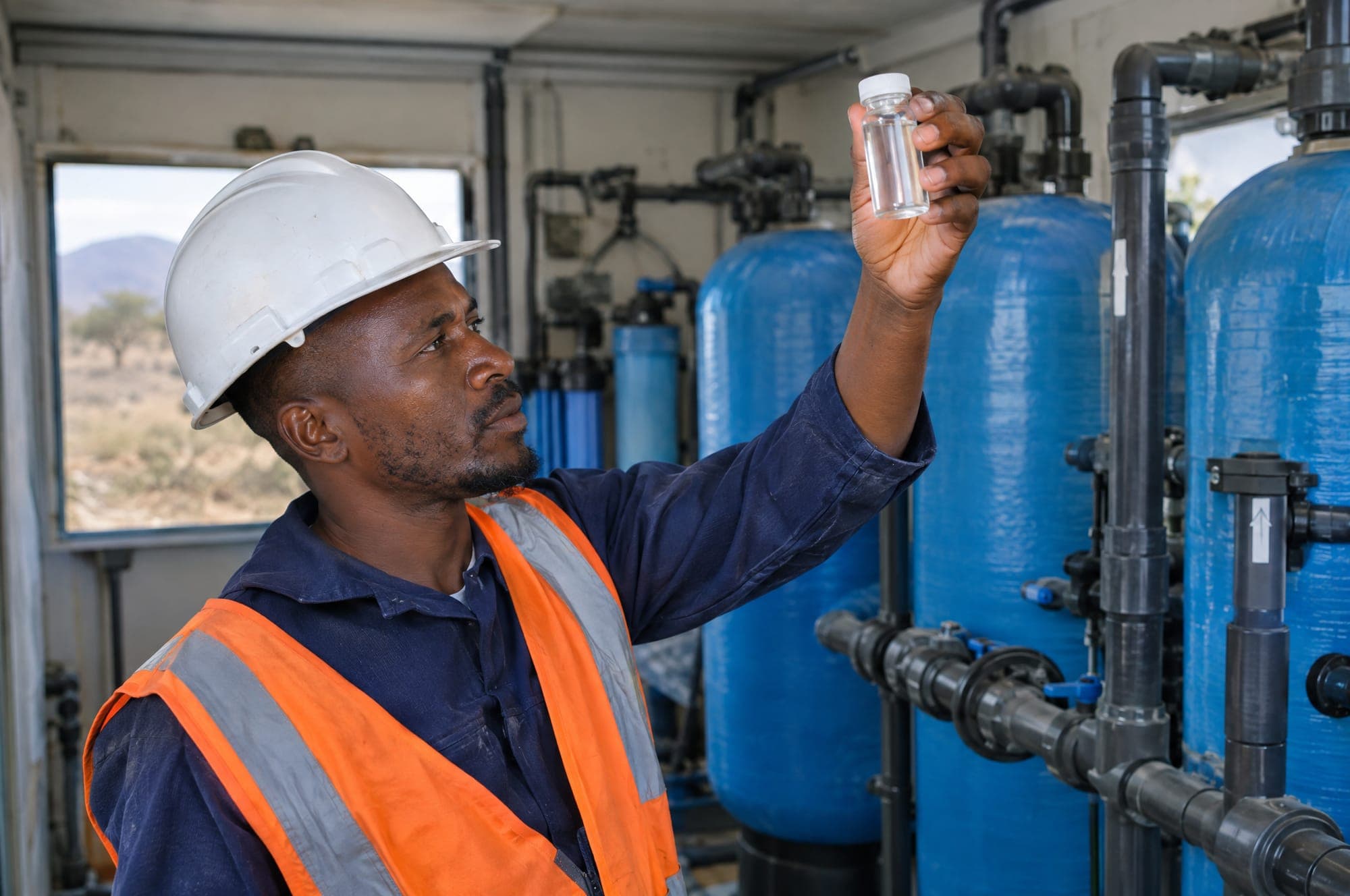
- Power generation, water treatment and supply
- Waste management, sewage collection and pest control
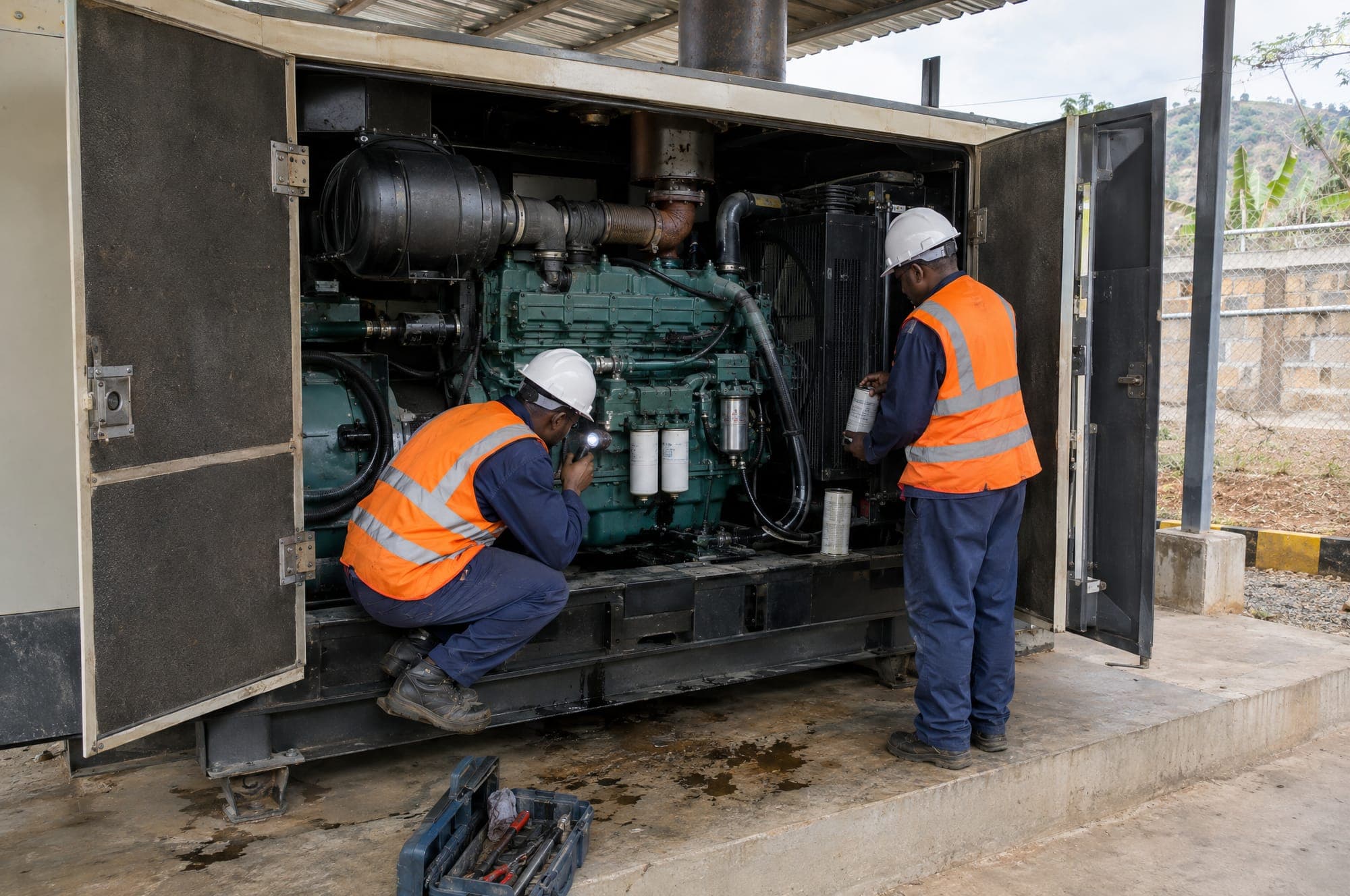
- Maintenance of buildings and electrical, HVAC and plumbing systems
Service levels set the standard
Clear service levels turn a list of services into a measurable contract. They say how often rooms are cleaned, how quickly a fault must be fixed, what meal times and menus are provided and how water quality is tested. Agreeing these at the start avoids disputes later and gives both client and provider a common way to judge performance.
Mobilization should begin with an asset survey, to record the condition of the buildings and equipment being taken over, followed by an agreed staffing and maintenance plan.
Run as one service
Life support involves many teams: chefs, cleaners, laundry staff, technicians, water operators and camp managers. They work best under one management system, with one set of procedures and one point of contact for the client. A fault in the water plant affects the kitchen and the laundry. A power outage affects every part of the camp. One team can see these links and respond to them together.
Schedules and checklists keep standards consistent. Daily services, work orders and maintenance tasks should be logged, so the client can see what has been done and what is outstanding.
People and welfare
The people who deliver life support often live on or near the site. Their accommodation, meals, training and conduct matter as much as the services they provide. Every worker should complete site induction and role training, including food hygiene for kitchen staff, and a clear code of conduct should apply to everyone.
Our own operating base shows the model in practice. Marina Hub in Mogadishu combines accommodation blocks, a dining facility and kitchen, ablutions and laundry, water and wastewater treatment, and a gym and recreation room inside one secure perimeter.
Our facility management service runs catering and dining facilities, camp and accommodation management, laundry and housekeeping, and power, water and waste services for compounds, camps and offices in Somalia. If you are planning or retendering life support for a site, our team can help you define the scope and service levels.