Insight · Logistics
A customs clearance checklist for project cargo in Somalia
Most clearance delays in Somalia start with the paperwork. A practical checklist for project cargo arriving in Mogadishu by sea or air.
· 3 min read

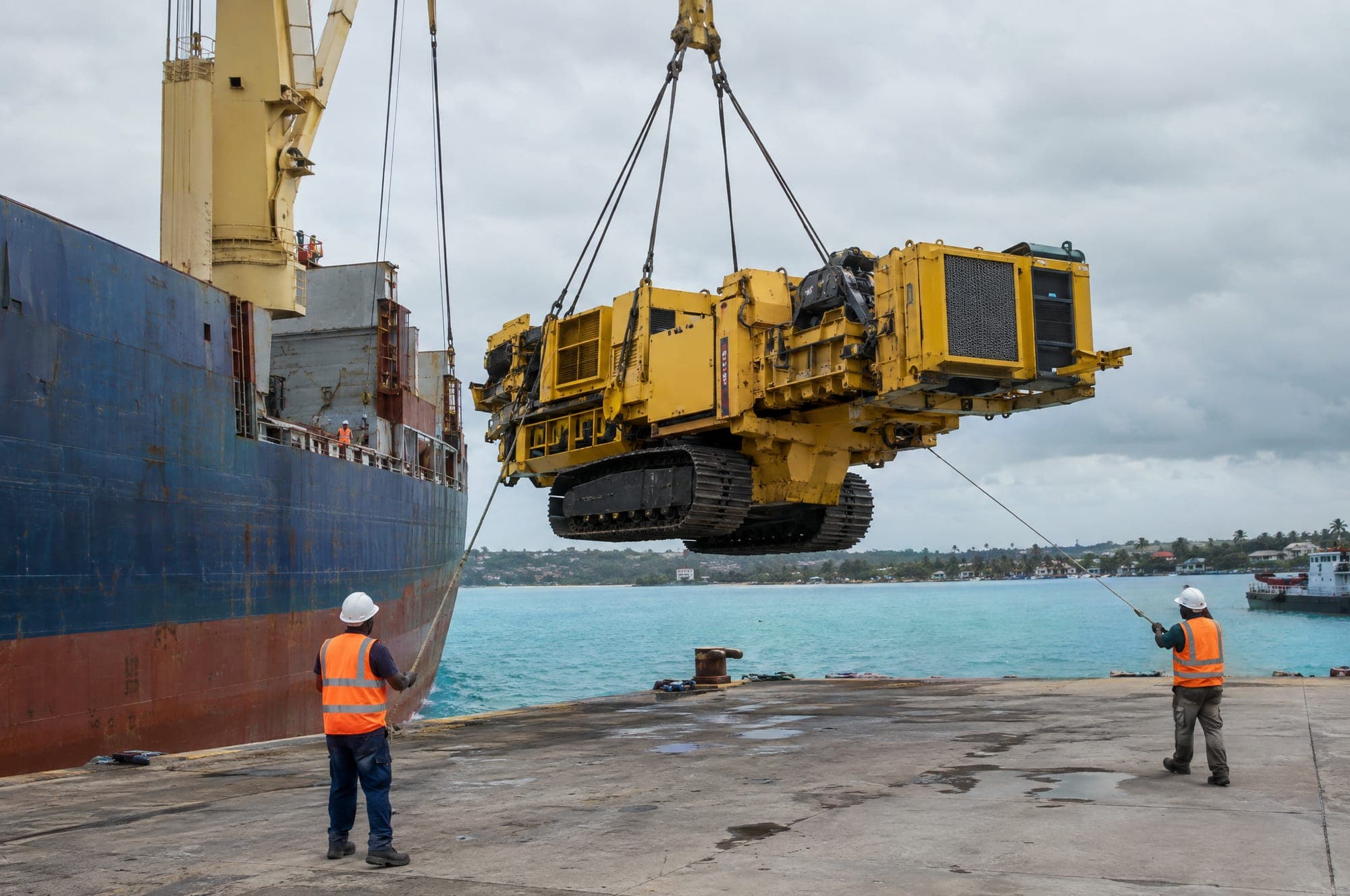
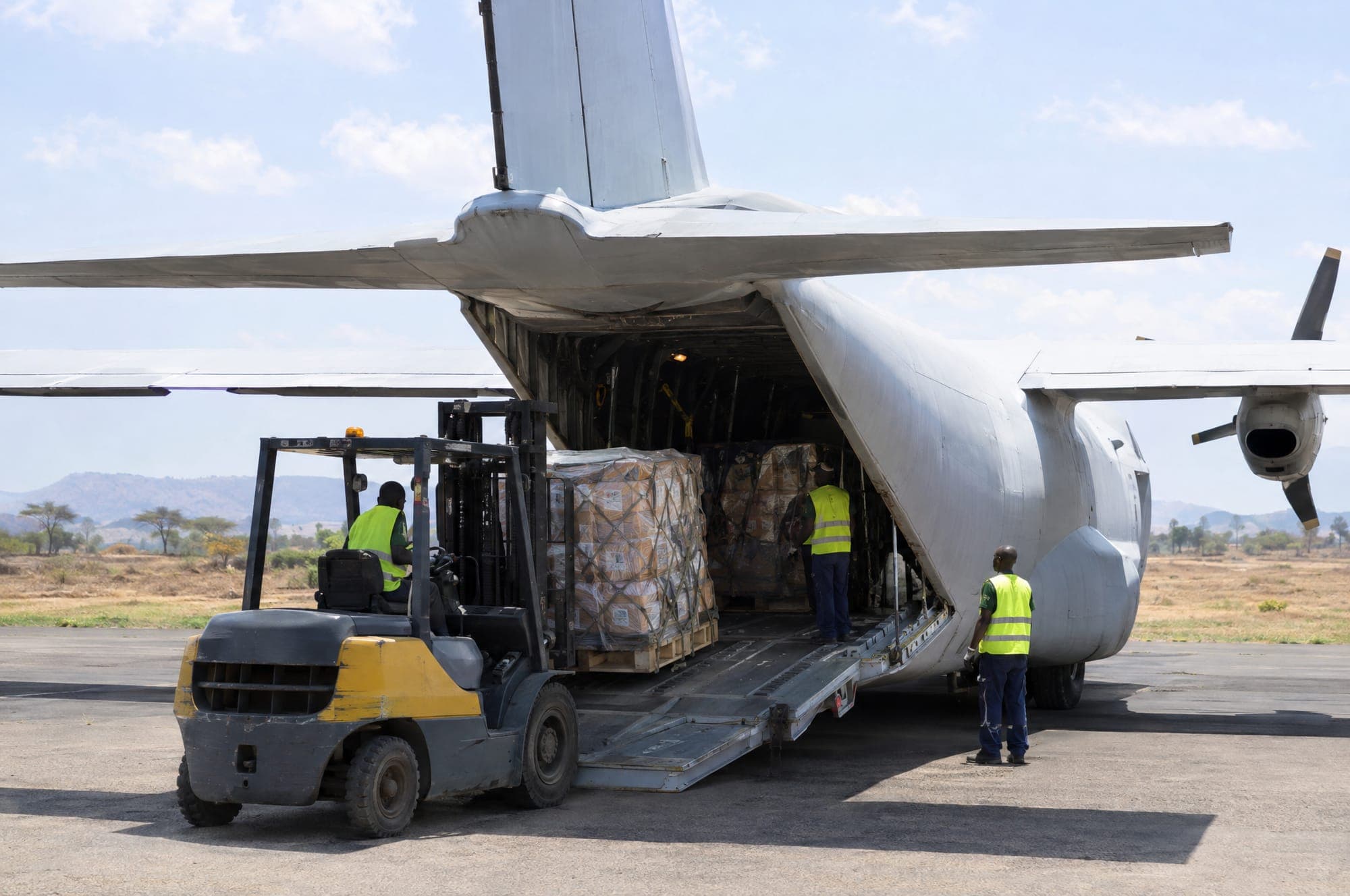
Customs clearance is where many project schedules in Somalia slip. Cargo arrives in Mogadishu on time, then waits in the port or at the airport while documents are corrected, permits are found or values are queried. Most of these delays can be avoided. They come from paperwork that was incomplete or inconsistent before the cargo was shipped.
Get the documents right at origin
Clearance starts at the supplier, not at the port. The documents that travel with the cargo should describe it the same way, list the same quantities and values, and match what is physically in the container or crate. A small difference between the invoice and the packing list can hold a shipment for days.
Before any project cargo ships, we suggest checking that the following are ready and consistent:
- Commercial invoice with a clear description, quantity and value for each item
- Packing list showing weights, dimensions and package numbers
- Bill of lading or air waybill naming the correct consignee
- Certificate of origin where it is required
- Import permits or licenses for controlled items
- Exemption letters where the end user is entitled to them
Plan for controlled and exempt cargo
Some items need approval before they can be imported, and the process can take time. Communications equipment, vehicles, protective equipment and certain chemicals are typical examples. If a shipment includes anything in this category, the permit application should start when the order is placed.
Cargo for humanitarian, diplomatic or international organizations may qualify for exemptions. The exemption has to be supported by the right letters from the end user, and those letters must match the shipping documents. It is worth agreeing early who will request them and who will hold them.
Describe and value carefully
Customs authorities classify goods by description and assess duties on value. Vague descriptions such as “parts” or “equipment” invite questions. A short, accurate description of what the item is and what it does helps clearance move faster. Values should reflect the real transaction, supported by the invoice.
Mixed consignments need extra care. A container holding construction materials, tools and electrical equipment may involve several classifications. Listing each line separately on the invoice and packing list makes the declaration clearer and reduces the chance of an inspection delay.
After clearance
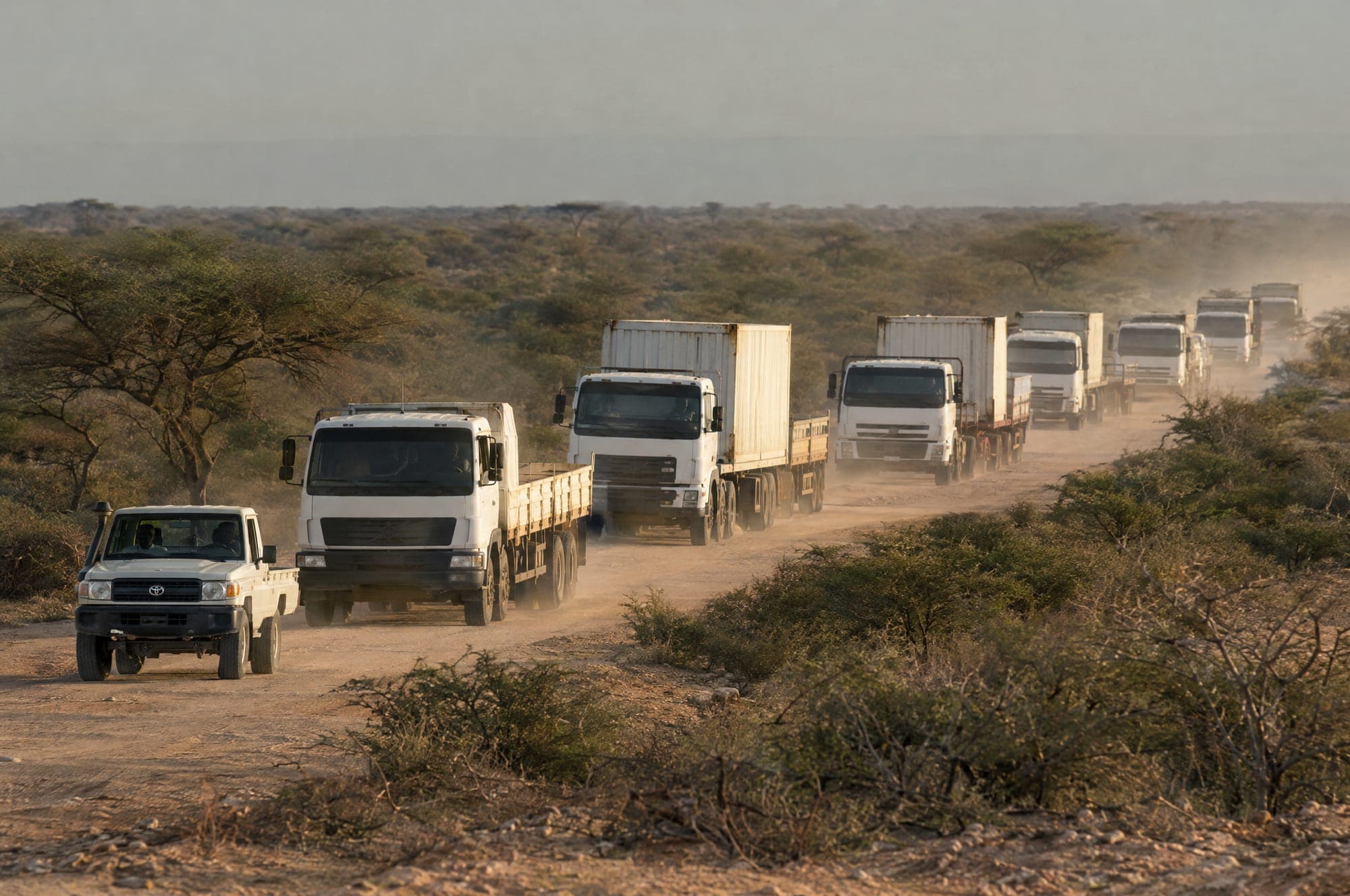
Clearance is not the end of the job. Once cargo is released, it needs to leave the port or airport quickly, either to site or to secure storage. Transport should be booked in advance so released cargo does not wait. Copies of the clearance documents should stay with the client's records, since they are often needed later for audits, re-exports or asset registers.
We handle clearance and documentation, secure storage and onward transport in Mogadishu, so cargo is sourced, cleared and delivered by one team. If you are planning to import project cargo into Somalia, our logistics team can review your documents before shipment and help you avoid the most common delays.