Insight · Logistics
When air freight makes sense for Somali projects
Air freight costs more than sea or road, but for urgent, sensitive or high-value cargo in Somalia it is often the right choice. Here is how to decide.
· 3 min read
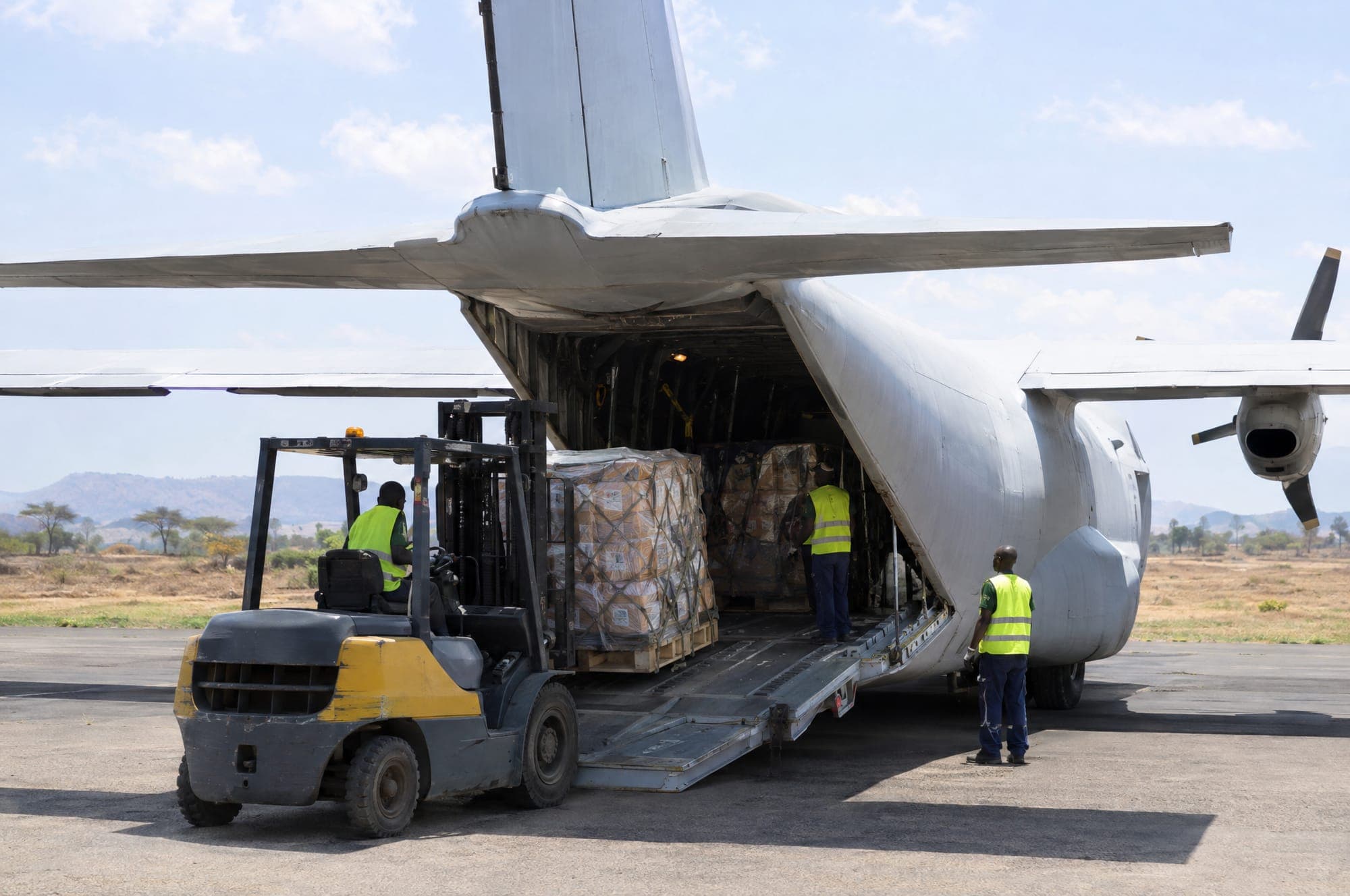
Most cargo for projects in Somalia travels by sea to Mogadishu and then by road. Air freight costs more per kilo, so it is rarely the default. But for some consignments, and some destinations, it is the most dependable option and sometimes the only practical one. Knowing when to choose air, and how to prepare for it, saves both time and money.
Cases where air is the better choice
The decision usually comes down to urgency, value, sensitivity and access. A spare part that is holding up a generator, a crane or a production line costs more in downtime each day than the difference in freight rates. Sensitive and high-value equipment, such as electronics, energy components or medical supplies, may face less handling risk on a short flight than on a long road journey. Some regional sites are hard to reach by road, or the road route carries more risk than the cargo can justify.
- Spare parts that are stopping critical equipment or a program
- Sensitive or high-value equipment that should be handled as little as possible
- Destinations where road access is slow, seasonal or high-risk
- Small, time-critical consignments that do not fill a truck
- Regular resupply where a predictable schedule matters more than unit cost
Preparing cargo for the flight
Air cargo has tighter limits than road or sea. Weight and dimensions must suit the aircraft type, and packaging must protect the item through several handling stages. Dangerous goods, including some batteries and fuels, need correct classification, labeling and documents before an airline will accept them. These checks should be done when the shipment is booked, not at the airport.
Load planning is part of the job. On smaller aircraft used for domestic routes, the order in which cargo is loaded and the way it is secured affect the safety of the flight. Handling at both ends also needs to be arranged, including forklifts or loaders sized for the pieces and a team ready to receive the cargo on arrival.
Domestic flights and regional hubs
Within Somalia, domestic air freight links Mogadishu with regional hubs. For programs that rely on a regular flow of equipment, a planned schedule of movements works better than a series of one-off bookings. It lets the client plan around predictable arrival dates and lets the logistics team prepare cargo, documents and handling in advance.
Security coordination still applies. Cargo needs to be protected at the airport, during loading and when it leaves the arrival airstrip for its final destination. Each consignment should be tracked and reported from dispatch to delivery, so the client and end user know where it is at every stage.
Choosing the right mode
Often the best answer combines modes: bulk materials by sea and road, with urgent or sensitive items by air. We coordinate air cargo and charters for time-critical and high-value consignments, including domestic flights to regional hubs, and we run an air supply line from Mogadishu to Baidoa for energy equipment. Our logistics team can help you decide which mode fits each part of your program.