Insight · Logistics
Moving heavy cargo through Mogadishu port
What to plan for when heavy machinery and project cargo arrive by sea at Mogadishu port, from vessel discharge to the road out of the gate.
· 3 min read
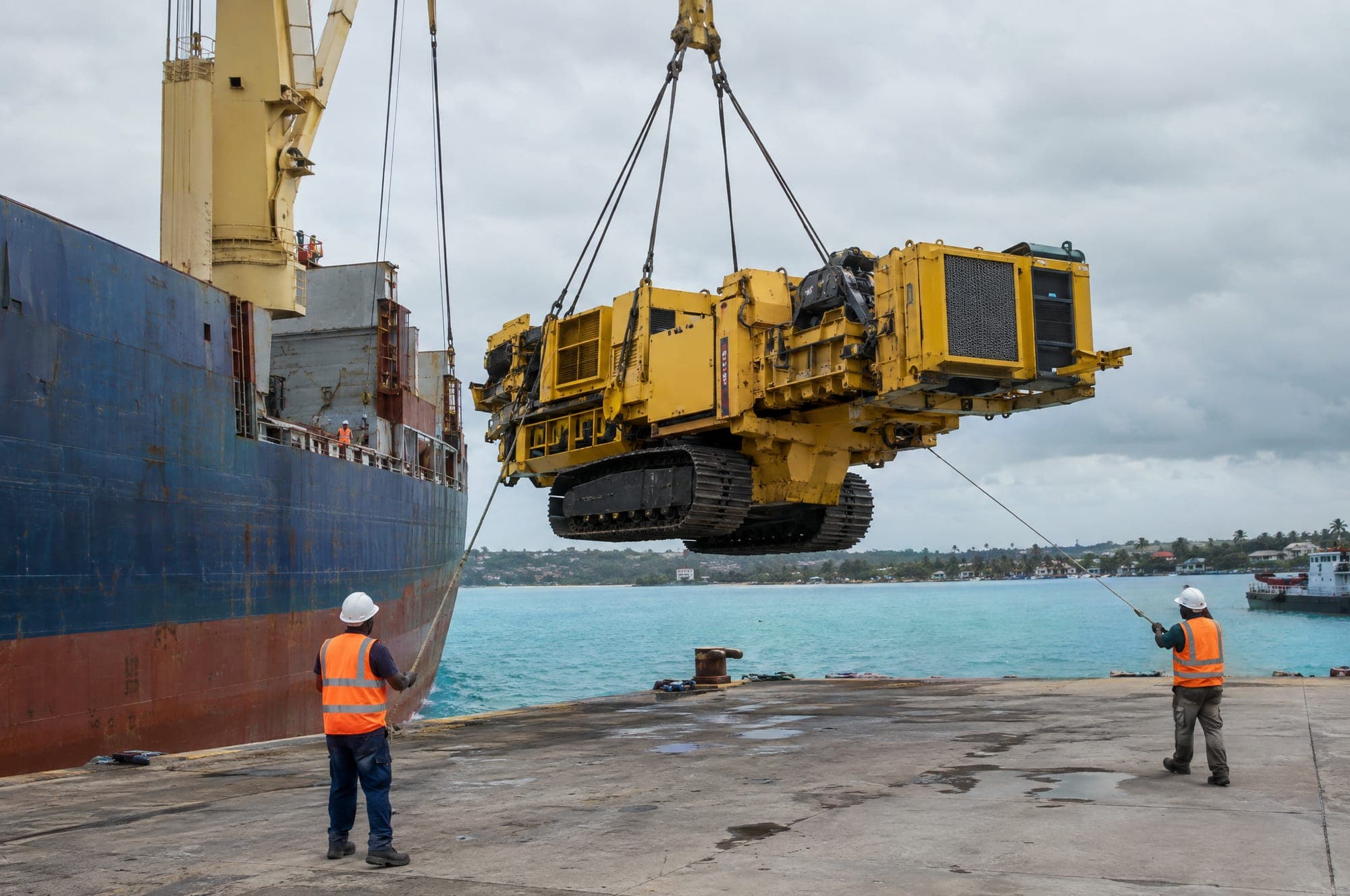
Most heavy equipment bound for projects in Somalia arrives by sea, and for the majority of programs that means Mogadishu port. Excavators, cranes, generators, transformers and prefabricated building units all come through the same quayside. Getting them off the vessel is only one step. The work that decides whether cargo reaches site on time happens before the ship berths and after it leaves the hook.
Start before the vessel sails
Heavy cargo moves best when the receiving side knows exactly what is coming. Dimensions, weights, lifting points and center of gravity for each piece should be shared well before arrival, along with the stowage plan. That lets the port team confirm the discharge method, whether ship's gear or shore cranes, and lets the transport team book the right trailers for the road leg.
Documentation matters just as much. A bill of lading, commercial invoice and packing list that agree with each other, and with the cargo, avoid most of the delays we see at clearance. Where an item needs a permit or an exemption, that paperwork should be started at the same time as the shipping booking, not after the cargo lands.
On the quayside
Discharge of out-of-gauge or heavy pieces needs supervision. Someone on the client's side should watch each lift, check the cargo against the packing list and record its condition as it lands. Damage found later, in a yard or on site, is much harder to resolve than damage photographed on the quay.
Our port and shipping coordinators work with shipping lines, the port and customs, supervise discharge and hand cargo straight to onward road transport. For heavy machinery, the main points we check on the quayside are:
- Lifting gear and slings rated for the piece and in good condition
- A condition survey and photographs before the cargo leaves the hook
- Tallies checked against the bill of lading and packing list
- Lashing and securing on the trailer before it moves
- A clear handover record signed by both sides
Leaving the port
Once cleared, heavy cargo should not sit on the quay longer than it has to. Low-bed trailers and escort arrangements need to be ready when release is granted. Routes out of the port and through the city should be checked for height, width and turning space, and timed to avoid the busiest traffic. Where cargo is not needed on site straight away, secure storage and laydown space close to the port keeps it safe and out of the way of the next vessel.
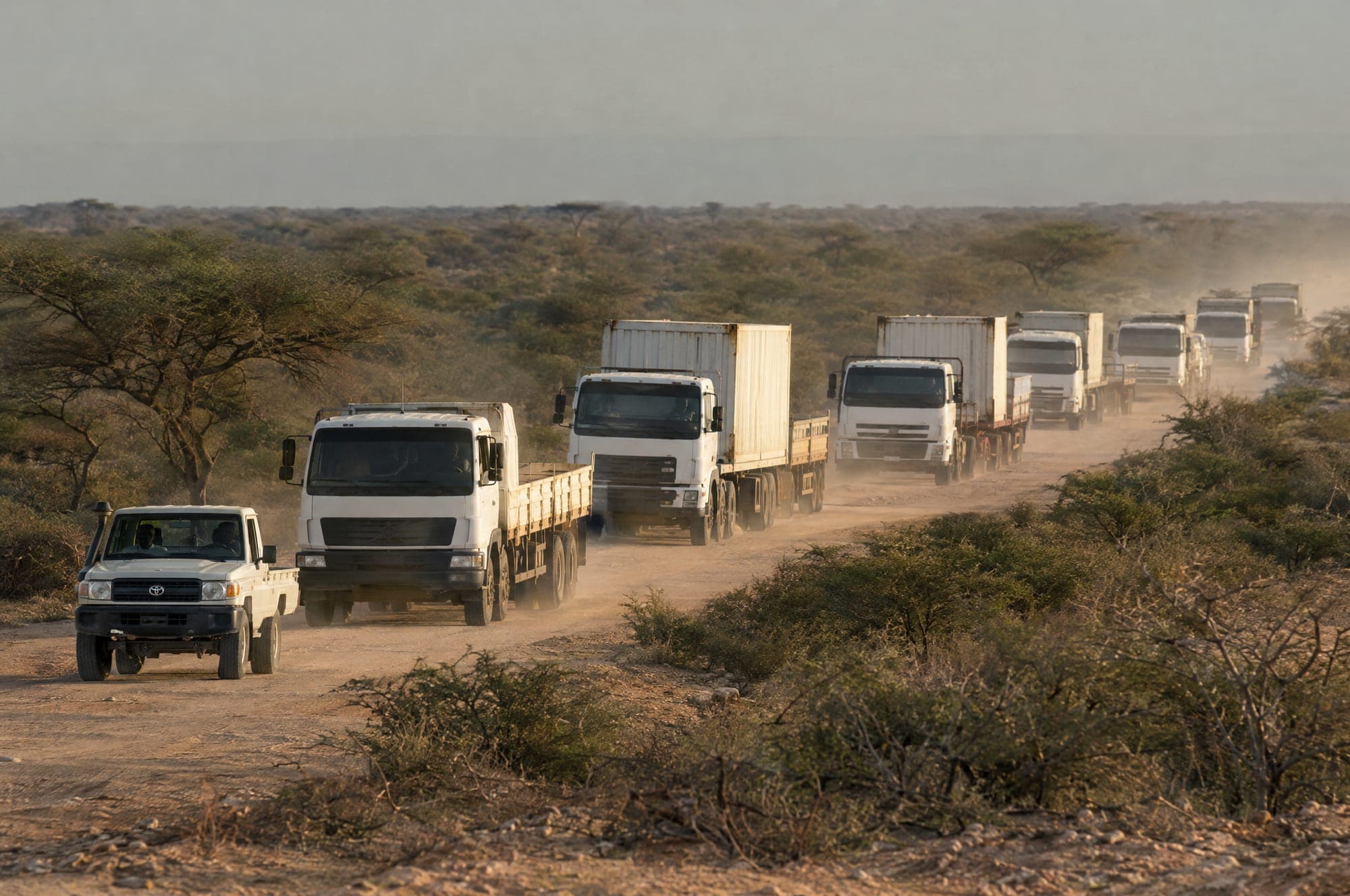
For longer movements to regional sites, the port leg is the start of a convoy plan, with route, load and security coordinated together. Treating the port and the road as one movement, rather than two separate jobs, removes the most common gap: cargo released but no transport ready, or transport waiting for cargo that is still in clearance.
Working with a single team
Sea freight forwarding, port clearance, storage and road transport can be run under one contract, so one coordinator owns the cargo from vessel to site. If you have heavy equipment or project cargo coming into Mogadishu, our logistics team can review the shipment details and plan the discharge, clearance and onward movement with you.