Insight · Government contracting
Design-build delivery for government and defense clients
How design-build delivery in Somalia gives government and defense clients one accountable team for design, construction and handover.
· 3 min read
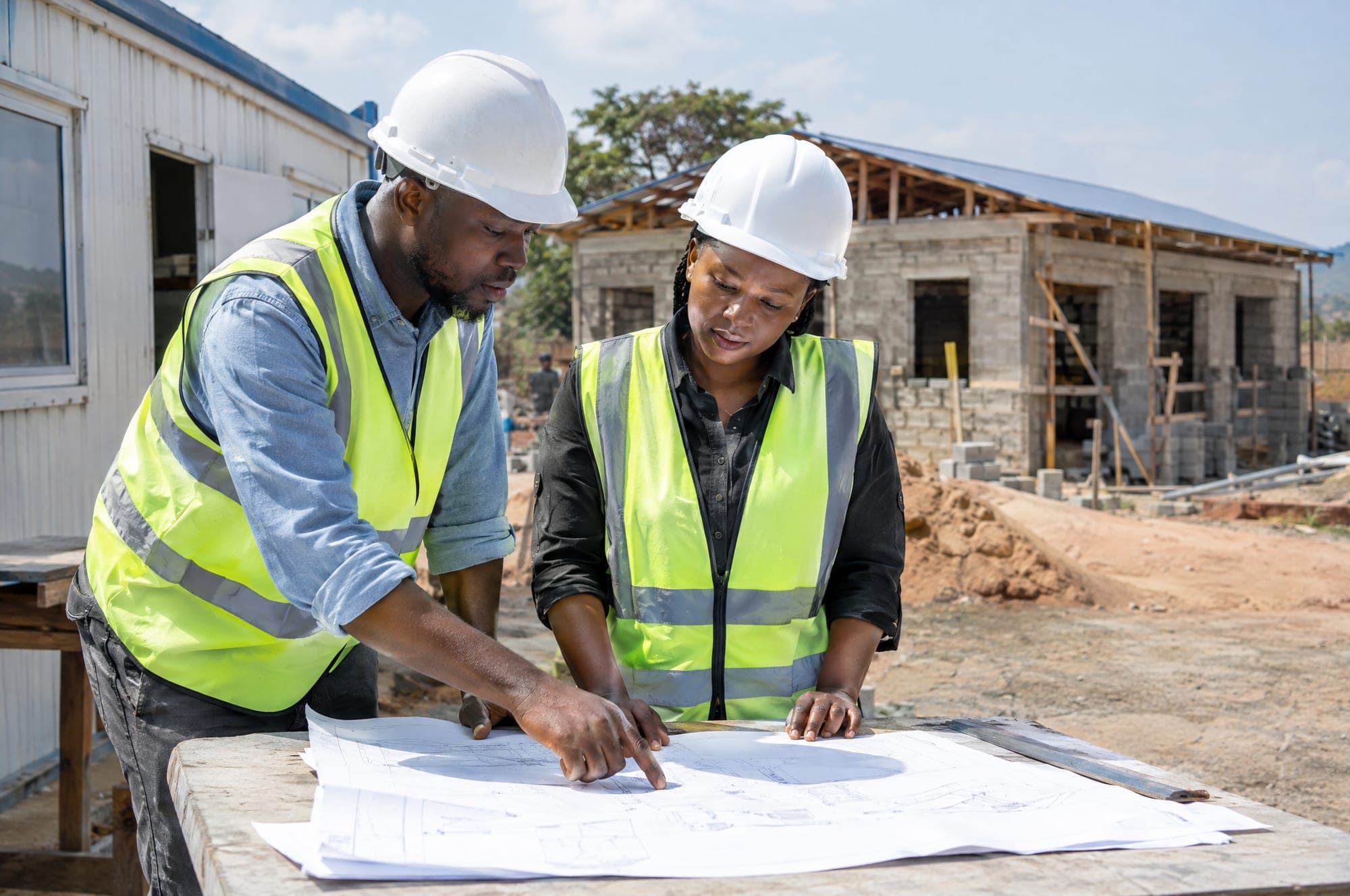
Government and defense clients building in Somalia often need facilities quickly, to a clear specification and with full documentation. Design-build delivery, where one organization is responsible for both design and construction, suits these needs well. It shortens the program, reduces the number of interfaces and gives the client one point of accountability from site survey to handover.
How design-build differs
In a traditional approach, the client appoints a designer, completes the design, then tenders the construction. Each step waits for the one before it, and when problems appear on site, responsibility can be disputed between the designer and the builder. In design-build, the client sets out its requirements and one contractor develops the design and builds it. Design and construction can overlap, and the contractor answers for both.
This does not mean the client gives up control. The client's requirements, standards and approvals remain the basis of the work. The design is reviewed and approved at agreed stages, and the client's engineer inspects the work at defined hold points.
What clients should define
Design-build works best when the client is clear about what it needs, even if it does not say how to achieve it. A good statement of requirements covers:
- The purpose of the facility and how it will be used
- Performance standards, codes and specifications that apply
- Security and protective requirements
- Utilities, power and water needs at handover
- Documentation and records required for acceptance
- Key dates and any phasing of the work
Benefits in Somalia
In an austere environment, design-build has practical advantages. The contractor can design around materials, equipment and skills that are actually available in Somalia, which reduces substitutions and delays. Early site surveys inform the design before it is fixed. Procurement of long-lead items can start while the design is still being developed.
It also simplifies communication. The client deals with one project management office, which coordinates design, procurement, construction and commissioning. Changes are assessed for their effect on cost and schedule in one place.
Design-build also suits phased work. A compound can be designed and built in stages, with accommodation and utilities delivered first so the client can occupy part of the site while the rest is completed. Each phase is handed over with its own inspection records.
Keeping it auditable
For government and defense clients, records matter. Design submissions, approvals, material submittals, inspection results and as-built drawings should be kept as the project proceeds. QA/QC hold points and documented sign-offs give contracting officers an auditable account of what was delivered and when.
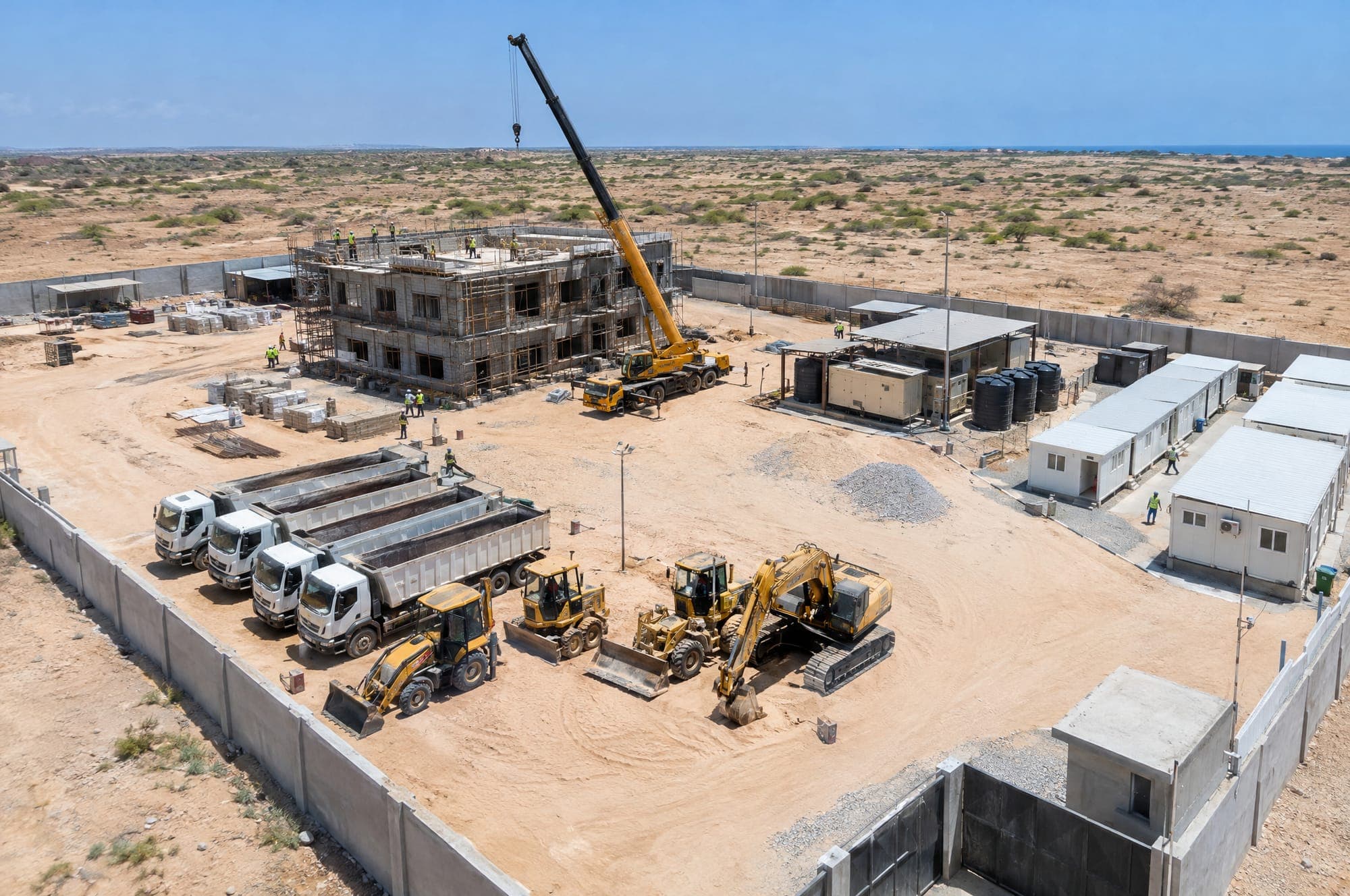
We delivered the Aerosom aviation hangar in Mogadishu design-build under one team, from site surveys and foundations to the steel frame, roofing and commissioned services. Our construction service builds bases, camps and compounds, aviation hangars, accommodation and support facilities for defense, government and commercial clients. If you are planning a facility in Somalia, we can discuss how a design-build approach would work for your requirements.