Insight · Government contracting
What contracting officers can expect from a local partner
What US contracting officers and prime contractors can expect from a local partner in Somalia: registration, records, reporting and accountability.
· 3 min read
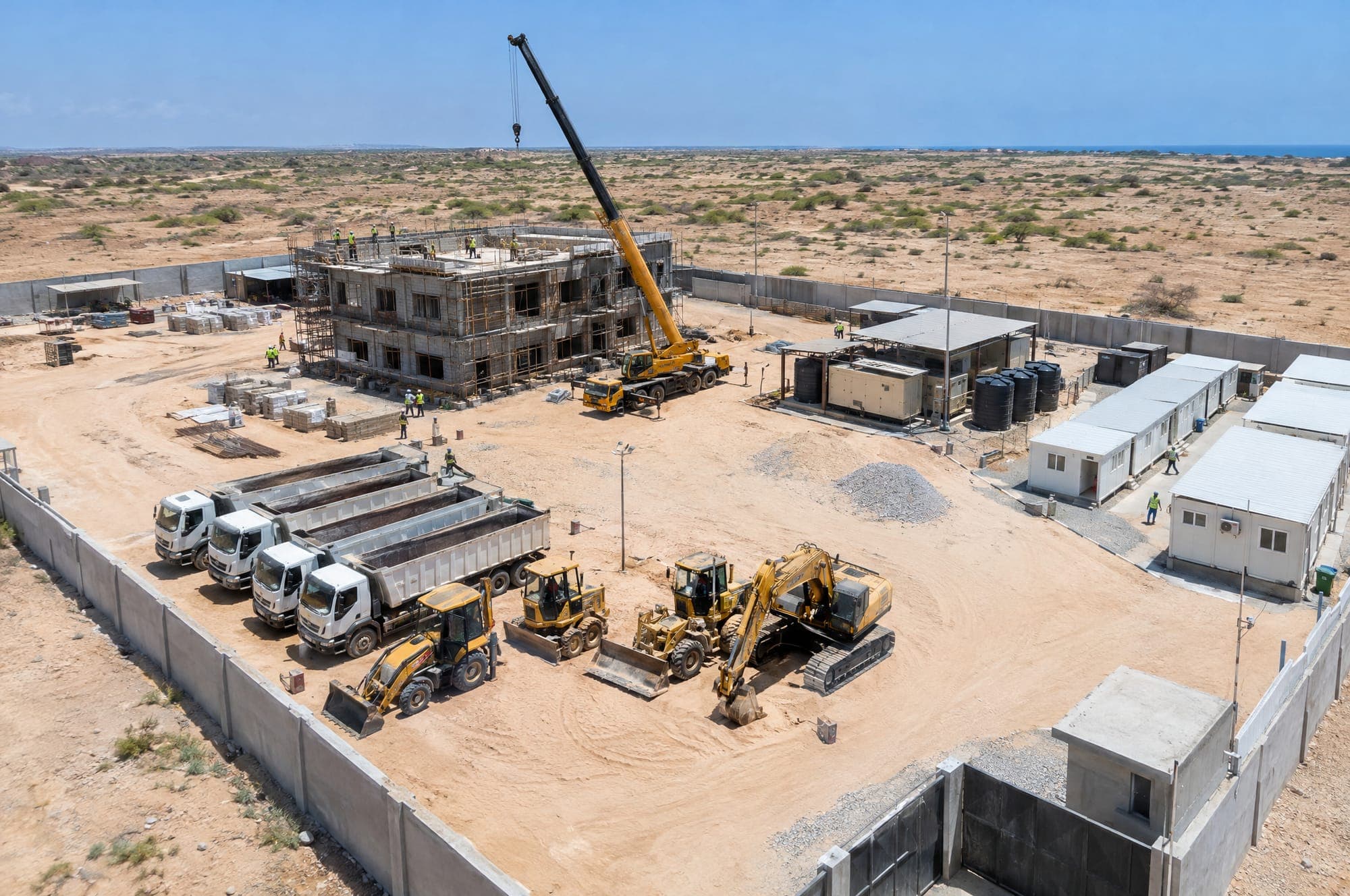
US government contracting officers and the prime contractors they work with often need a local partner to deliver in Somalia. Choosing one is a question of trust: will the partner perform, document its work and stay accountable when conditions are hard? This post sets out what a contracting officer should reasonably expect from a local partner in Mogadishu, and the questions worth asking before work begins.
Clear identity and registration
A contracting officer should be able to confirm who the partner is. That means a clear legal name, a registered address, points of contact and, where required, registration details such as a CAGE code and SAM.gov UEI. Where these are being updated, the partner should say so plainly and explain when they will be available. NAICS codes should match the services the partner actually delivers.
Capability that is real
Capability statements are easy to write. A contracting officer should look for evidence that the capability exists in country: an operating base, equipment, a workforce and reference projects that can be checked. Questions worth asking include:
- Which trades and services do you self-perform, and which do you subcontract?
- Where is your operating base, and what equipment and staff are there?
- Which reference projects can you share, and who were the clients?
- How do you coordinate security for movements outside Mogadishu?
- How quickly can you mobilize people, plant and supplies?
Records and reporting
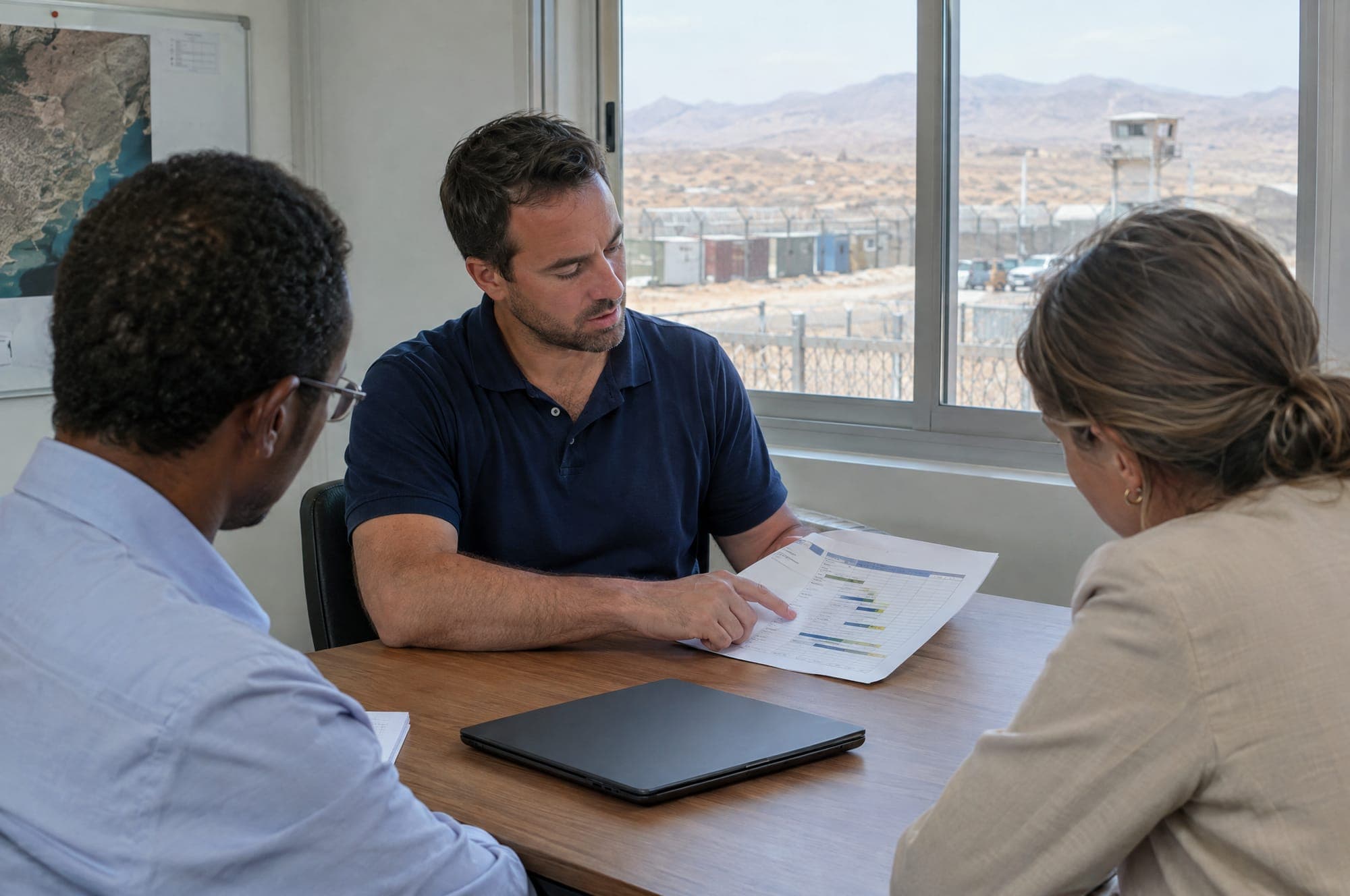
Government contracts depend on documentation. A local partner should keep auditable records as a normal part of its work: inspection and test plans, hold-point sign-offs, material approvals, HSE records, training records and procurement documents. Progress reports should be regular and factual, covering work done, issues and the plan ahead.
Procurement deserves particular attention. Contracting officers should expect transparent, documented procurement, with clear vendor selection and records that can be audited. This protects both the government and the partner.
Accountability and communication
A local partner should offer a single point of accountability: one contact who answers for the work, with a clear chain of command behind them. When problems arise, as they will in a demanding environment, the partner should report them early and propose solutions rather than wait to be asked. Plain, factual communication is worth more than optimistic promises.
Integrity underpins all of this. Transparent contracting, fair procurement and compliance with local and international regulations should be standard practice, not something added for a particular contract.
Accenti is headquartered in the United Arab Emirates, with our operating base at Marina Hub in the Halane Airport Zone, Mogadishu. Our CAGE code and UEI are available on request, and our government page lists our core competencies, NAICS codes and engagement models. If you are planning work in Somalia, our team can provide a capability briefing and past performance details.