Insight · Facility management
Food safety in dining facilities
Food safety in a camp dining facility in Somalia depends on the cold chain, hygiene procedures and trained staff, from receipt to service.
· 3 min read
A dining facility feeds everyone on a camp or compound, often several times a day. In Somalia, where sites can be remote and supply lines long, a single food safety failure can make a large part of the workforce ill at once. Food safety is not only a kitchen matter. It is an operational risk that deserves the same planning as power or water.
From supplier to store
Safe food starts with procurement. Suppliers should be checked, and food should be bought to a specification that covers quality, packaging and shelf life. On delivery, staff should check temperatures, packaging and dates before accepting goods. Anything that fails the check is rejected, not used quickly.
Storage follows the cold chain. Chilled and frozen food must be kept at the right temperatures from delivery to use, and temperatures should be checked and recorded at set times. Dry stores need to be clean, ventilated and protected from pests. Stock rotation, using older stock first, reduces waste and the risk of using food past its date.
In the kitchen
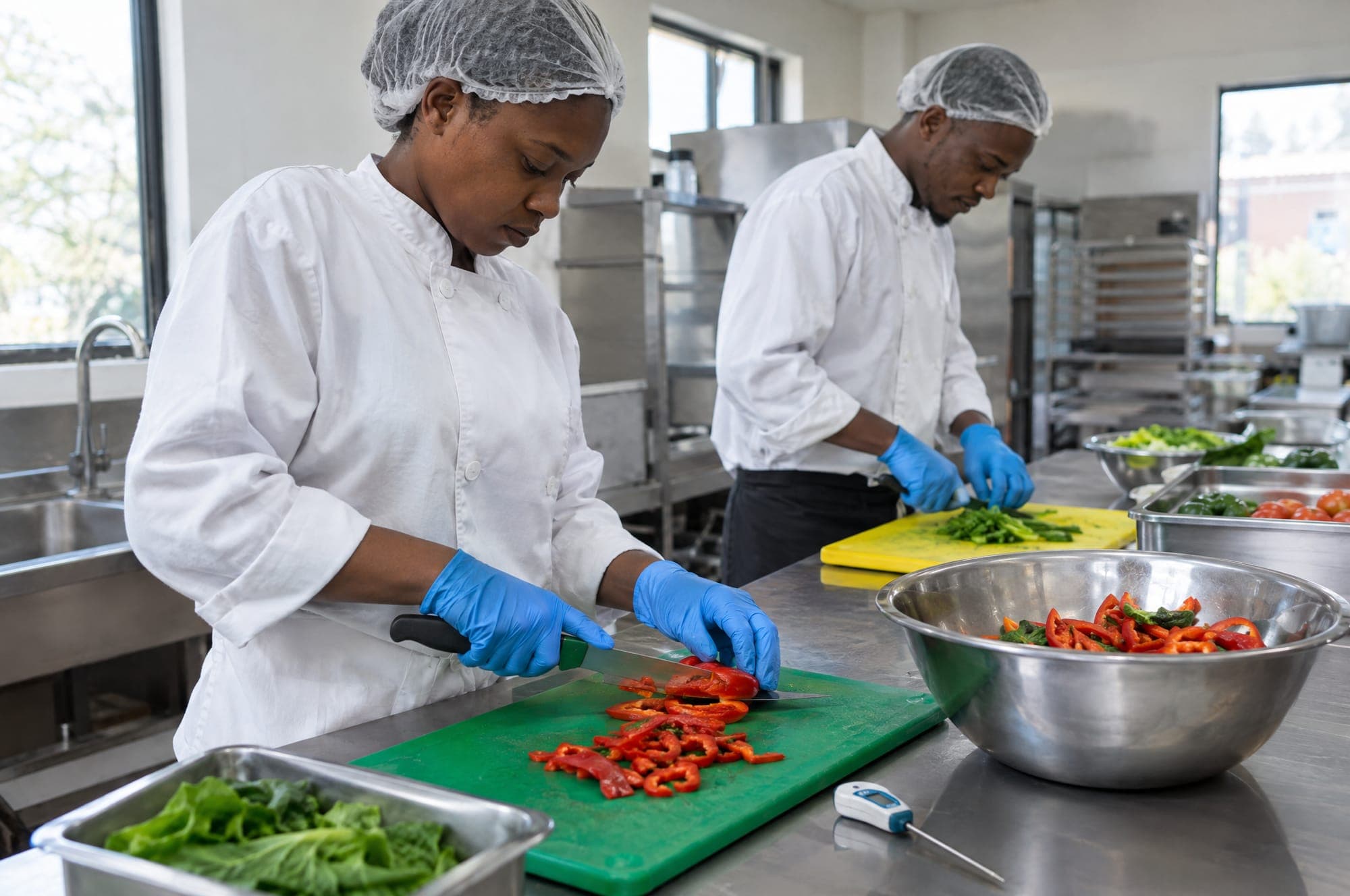
Most food safety problems come from a small number of causes. Documented procedures address each one:
- Separating raw and cooked food to prevent cross-contamination
- Cooking food thoroughly and checking core temperatures
- Cooling and reheating food quickly and safely
- Hand washing and personal hygiene for all kitchen staff
- Cleaning and sanitizing surfaces, equipment and utensils
- Pest control throughout the kitchen and stores
Hot conditions make temperature control more important. Food left out at room temperature for too long allows bacteria to multiply. Service times and holding methods should keep hot food hot and cold food cold.
Trained staff and records
Procedures only work if staff know and follow them. Every kitchen worker should receive food hygiene training before starting work, with refresher training and supervision on the job. Staff who are unwell should report it and stay away from food preparation.
Records show that the system is working. Temperature logs, cleaning schedules, delivery checks and training records give the client, and any auditor, evidence that food is handled safely. They also help find the cause quickly if a problem does occur.
Water and waste
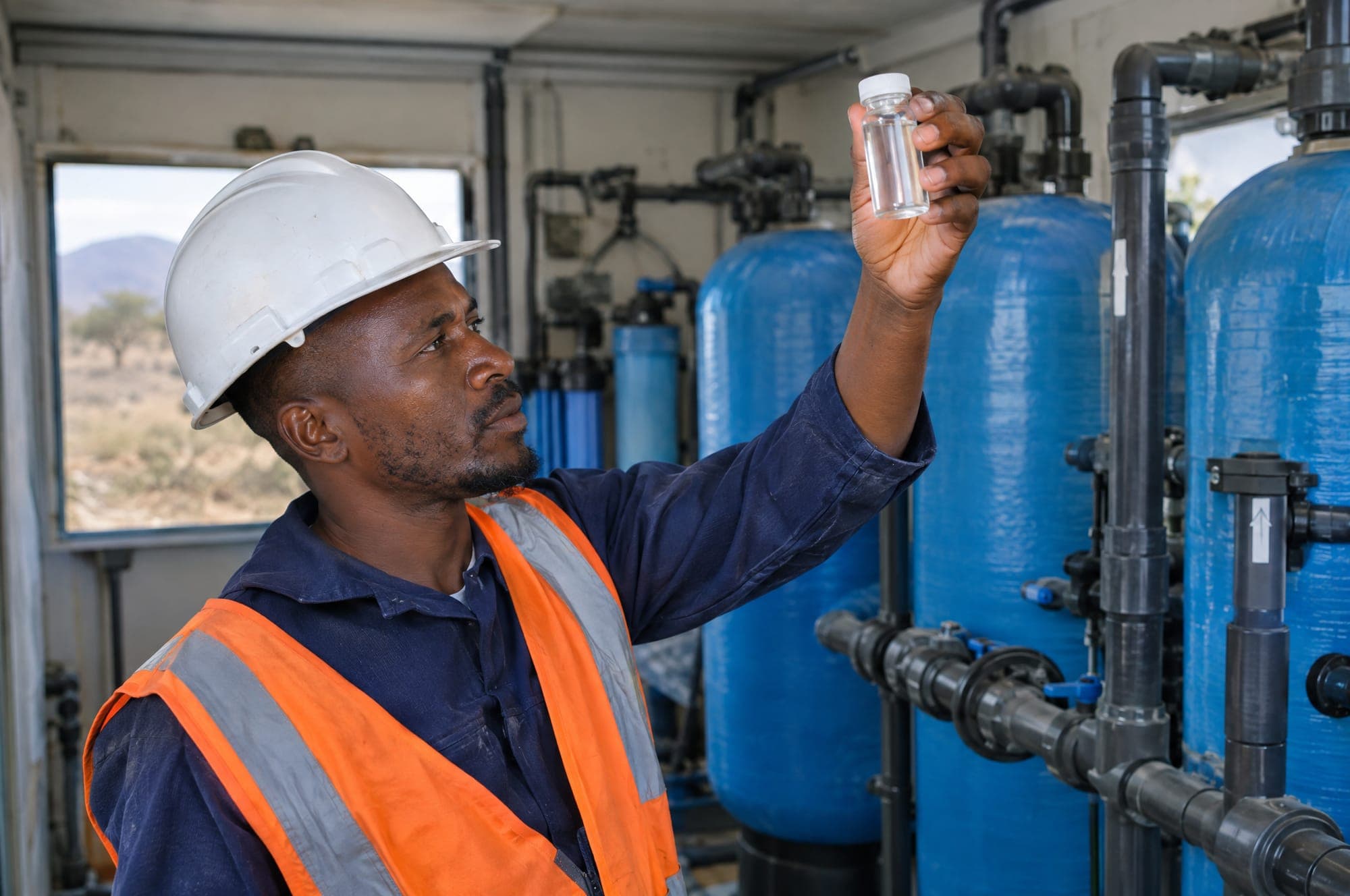
A dining facility depends on safe water for cooking, cleaning and drinking. Water quality should be tested and logged as part of the site's water system. Kitchen waste must be removed regularly to avoid attracting pests, and grease and wastewater handled so they do not block drains or contaminate the site.
Our chefs plan menus, buy and store food in a cold chain and run dining facilities to documented hygiene procedures from receipt to service. Every member of our kitchen teams completes food hygiene training, with records kept for each individual. If you need catering for a camp or compound in Somalia, our facility management team can discuss your requirements.