Insight · Asset and fleet
Leasing or buying plant for a Somalia project
Should you lease or buy plant and vehicles for a project in Somalia? A practical comparison of cost, availability, maintenance and exit.
· 3 min read
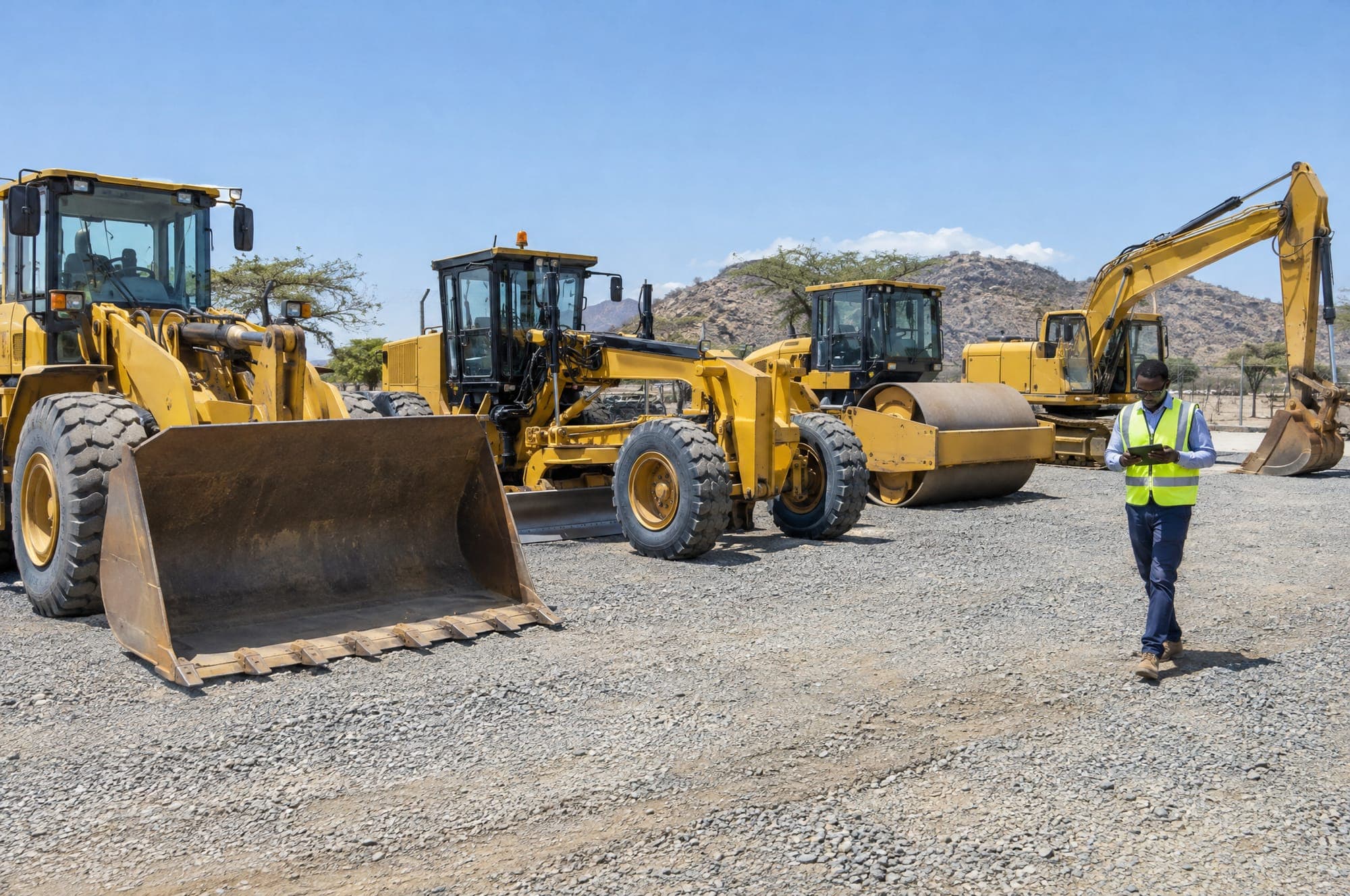
Every project in Somalia that needs excavators, cranes, loaders, trucks or light vehicles faces the same early decision: buy the equipment, or lease it. Buying gives control but ties up capital and leaves the owner with the job of shipping, maintaining and eventually disposing of the asset. Leasing shifts much of that to a provider already in the country. The right answer depends on the program.
The case for buying
Buying makes sense when equipment will be used continuously for many years, when it is highly specialized, or when the client already runs its own workshop and operators in country. Ownership also gives full control over the specification and use of the asset.
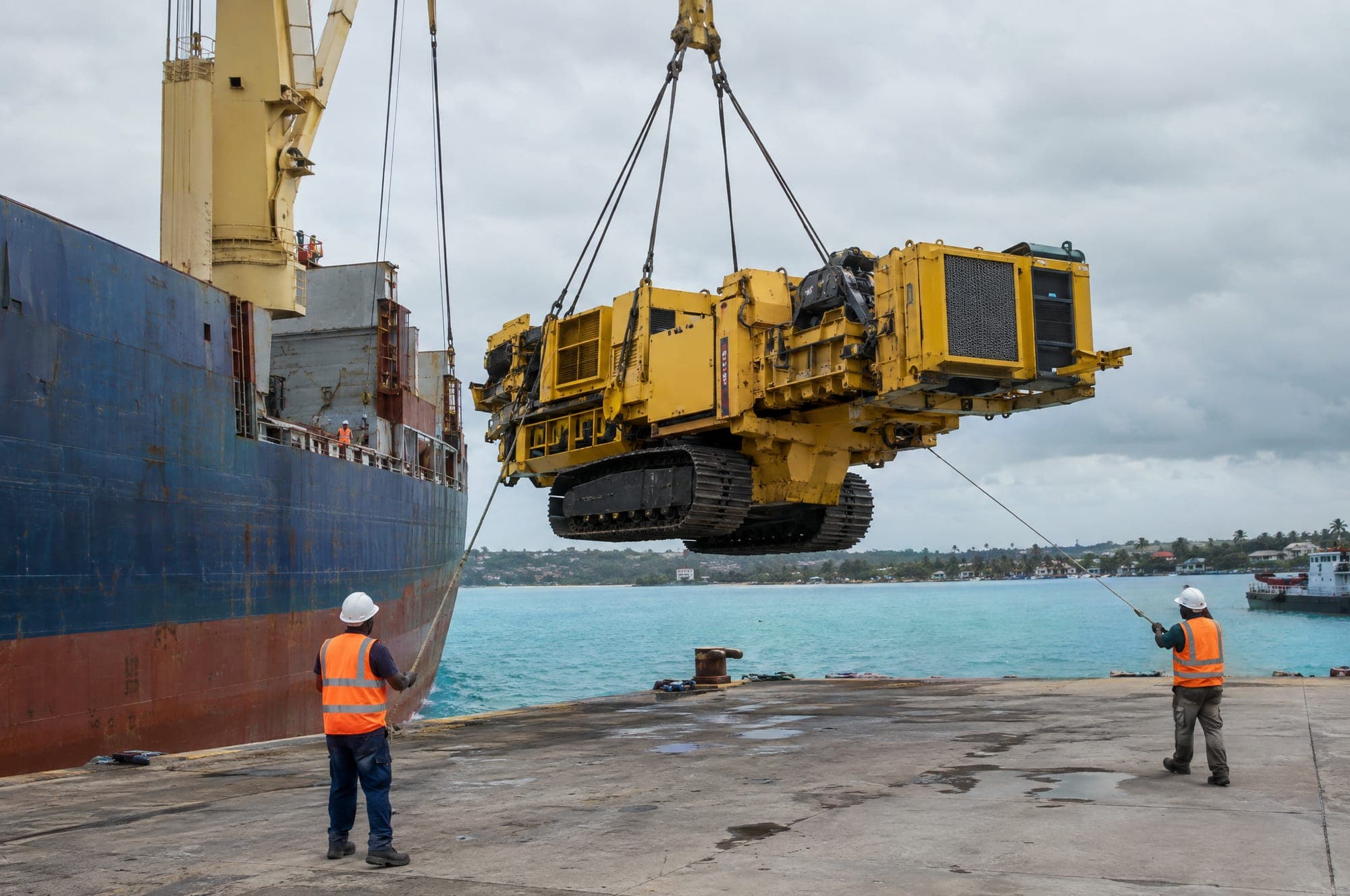
But the full cost of ownership is more than the purchase price. Equipment must be shipped to Somalia, cleared through customs, insured and maintained. Spare parts must be sourced and stocked. Trained operators must be recruited. At the end of the program, the equipment must be sold, moved or disposed of, which can be difficult and costly.
The case for leasing
Leasing usually suits programs with a fixed duration, changing equipment needs or limited capital. It allows equipment to arrive when needed and leave when the work is done. Questions worth asking any leasing provider include:
- Is the equipment already in country, or does it need to be shipped?
- Is each unit inspected before deployment?
- Does the lease include maintenance and servicing?
- Can a replacement unit be supplied if one breaks down?
- Are trained operators or drivers available with the equipment?
- Can lease terms be adjusted if the program changes?
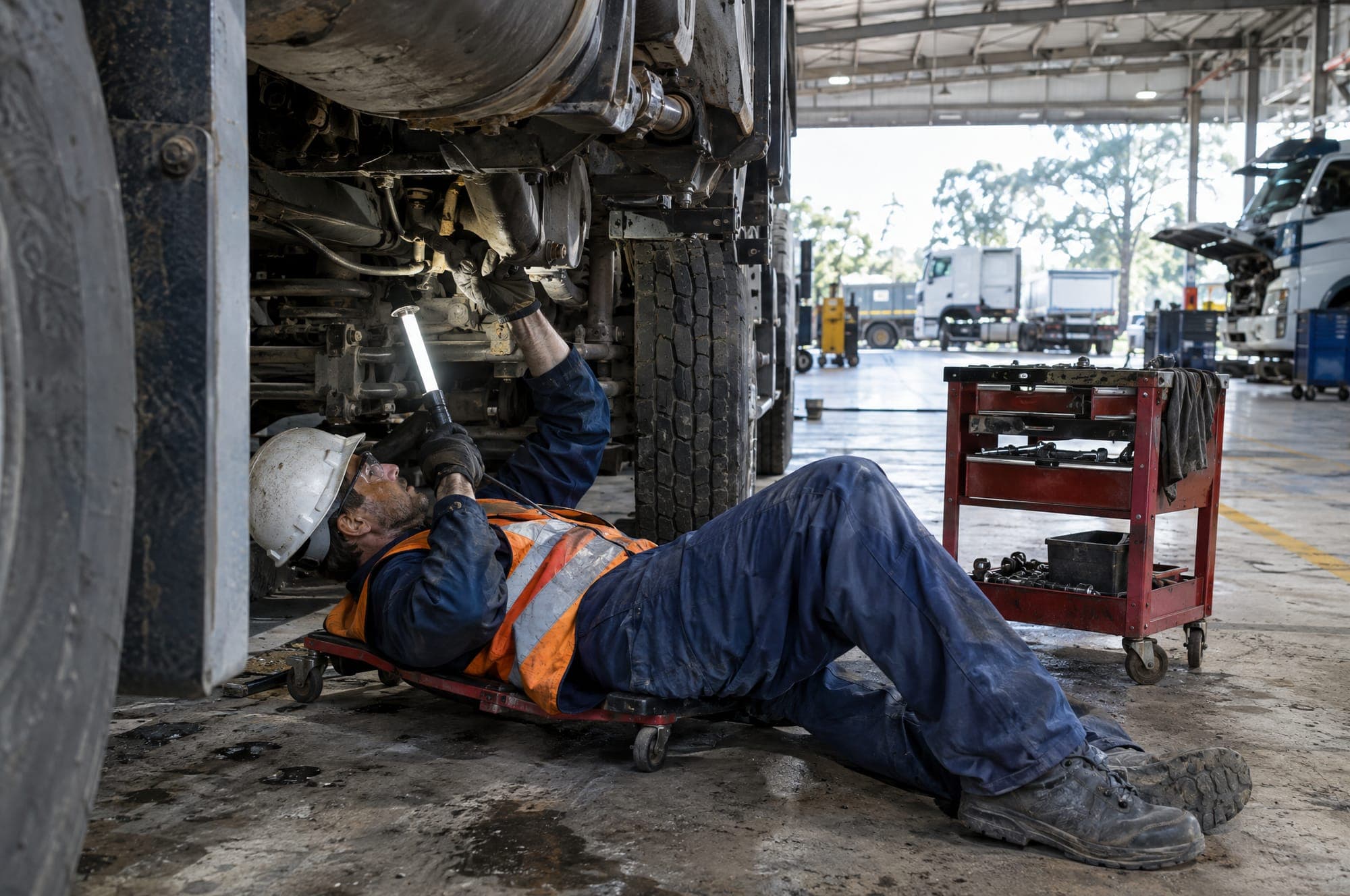
Maintenance is often the deciding factor. Equipment that breaks down on a remote site, with no parts or mechanic nearby, can stop a whole project. A lease that includes workshop maintenance and replacement units transfers that risk to the provider.
Comparing the options
A fair comparison looks at total cost over the program, not just purchase price against lease rate. It should include shipping, clearance, insurance, maintenance, parts, operators, downtime risk and disposal. For many programs in Somalia, especially those lasting a few years or less, leasing from a provider with local fleet and workshop support costs less and carries less risk.
A mixed approach is also common. A client might own a small core of specialist equipment and lease the rest as demand rises and falls.
Leasing in practice
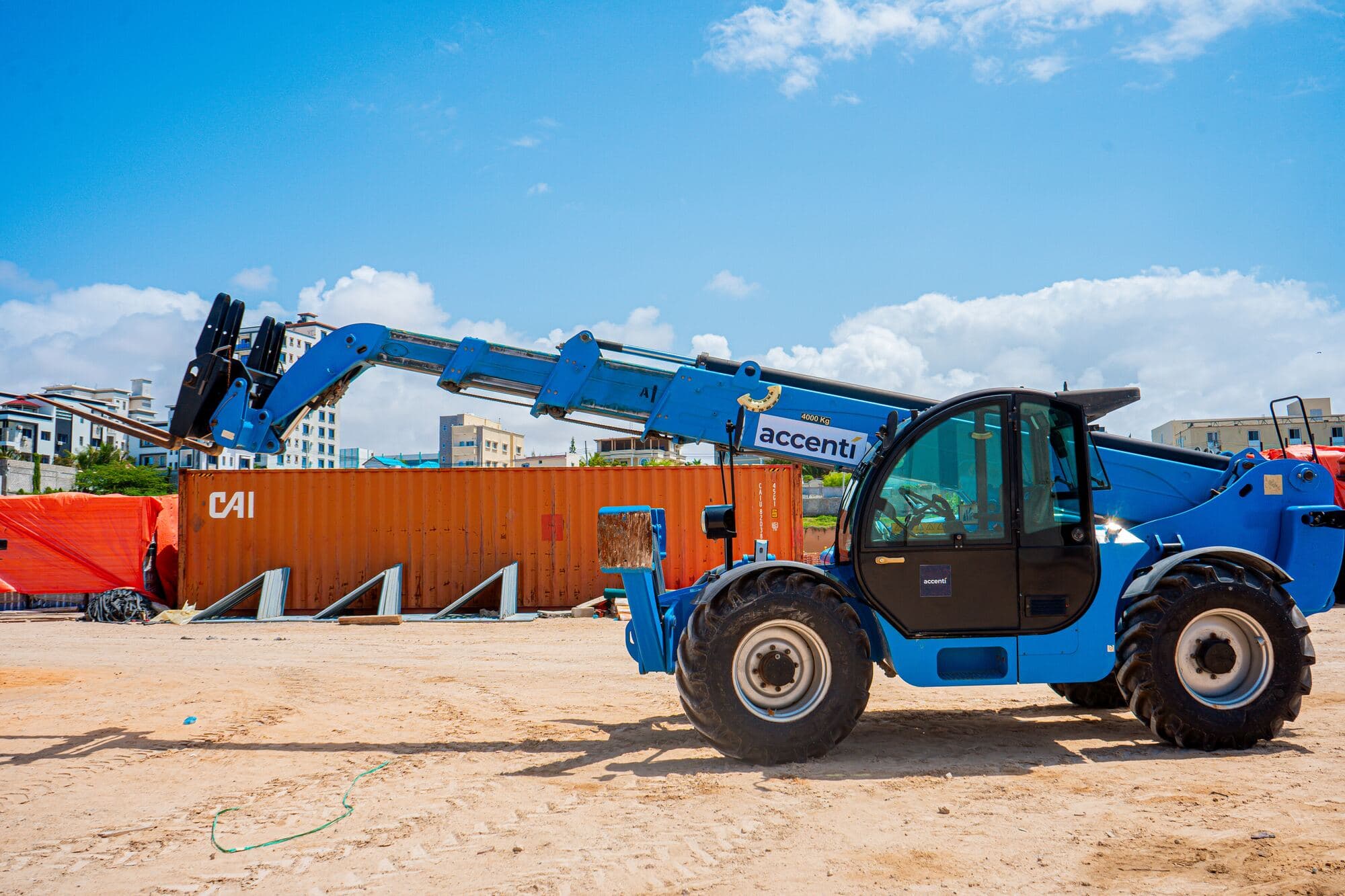
Since 2023 we have leased construction plant, vehicles and specialist equipment to SKA across Mogadishu and Baledogle, with no capital outlay for the client. Each unit is inspected before deployment, and our workshop keeps the fleet working through preventive maintenance, with replacement units available when an asset is out of service. Our asset management and fleet service leases plant, light vehicles, buses, protected vehicles, trucks and low-beds, with trained operators and drivers. If you are weighing up leasing against buying for a project in Somalia, we can help you compare the options.