Insight · Asset and fleet
Why trained operators matter as much as the machine
A well-maintained machine in untrained hands is a risk. Why operator training matters for plant and vehicles on projects in Somalia.
· 3 min read
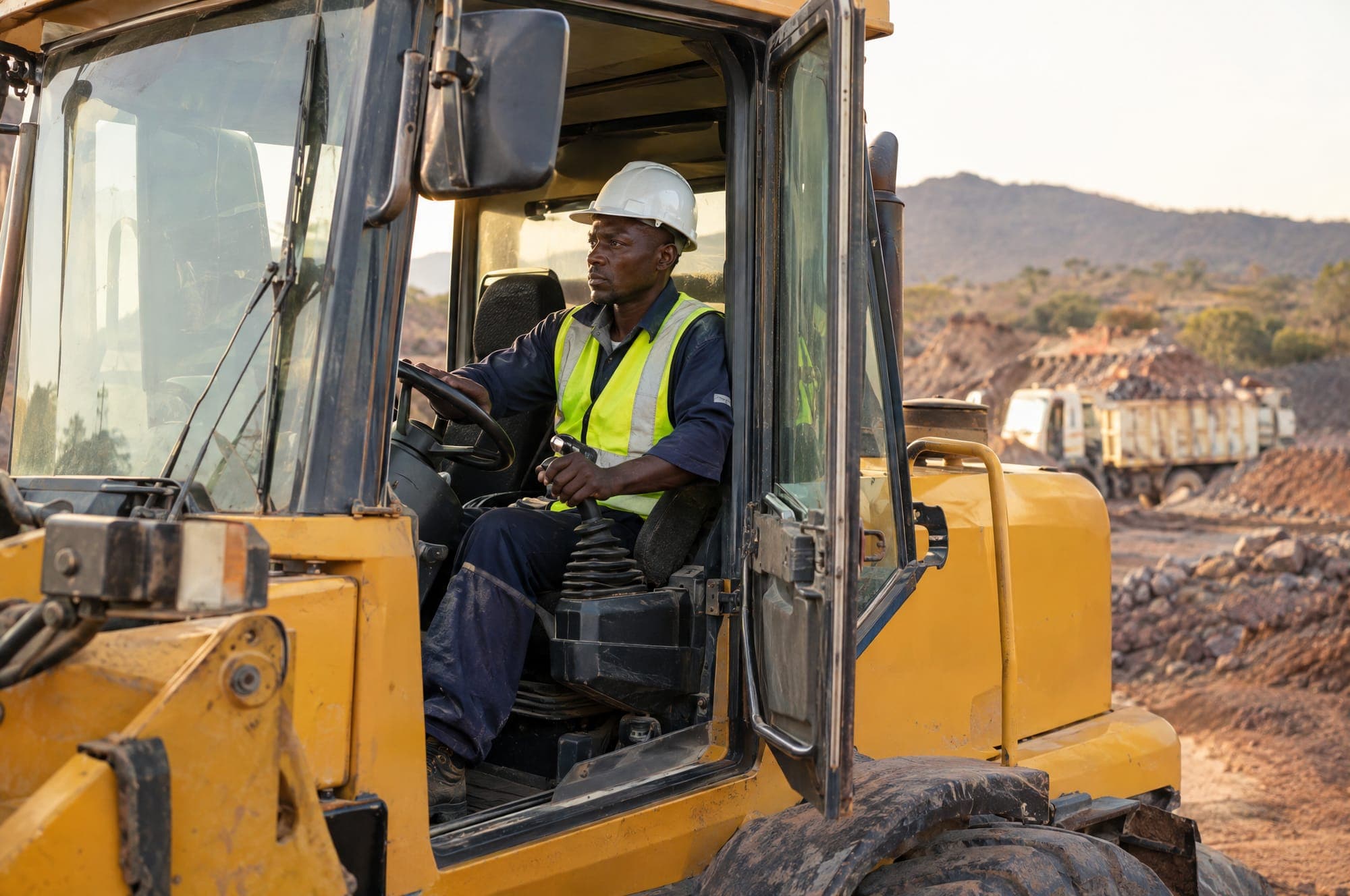
When clients specify plant for a project in Somalia, attention usually goes to the machine: its size, capacity and condition. The operator gets less attention, yet the person in the cab decides how safely and productively that machine works. A good operator gets more out of an average machine than a poor operator gets out of a new one. Training is as important as the equipment itself.
Safety and productivity
Heavy plant is involved in many of the most serious site incidents: people struck by moving machines, loads dropped from cranes, vehicles overturning on slopes or soft ground. Most of these are preventable. A trained operator knows the machine's limits, keeps clear of people on foot, checks the ground and follows lifting and traffic plans. On a busy site, that discipline protects everyone around the machine.
Skilled operators also work faster and more precisely. A trained grader operator reaches the right level in fewer passes. A loader operator who fills the bucket correctly moves more material with less fuel. Careful operation also reduces wear. Harsh use, overloading and ignoring warning lights shorten the life of engines, hydraulics and tires, and raise maintenance costs.
What good training covers
Operator training should be specific to the machine and the task, not general. A sound program includes:
- Machine-specific training and assessment before anyone operates alone
- Daily pre-use checks and how to record them
- Safe operation, including lifting, slopes and working near people
- Site rules, traffic plans and communication with spotters and signal persons
- Reporting faults and stopping work when a machine is unsafe
- Refresher training, with records kept for each individual
Assessment matters as much as instruction. Operators should be tested on the machine they will use before they are deployed, and supervisors should check their work on site.
Local operators, trained to standard
In Somalia, recruiting and training local operators builds skills that stay in the country beyond any single contract. It also gives clients operators who know local conditions and roads. With the right training and supervision, local operators work to the standards clients expect.
Training records are part of the evidence clients need. For government and defense contracts in particular, being able to show who operated a machine and what training they held is an important part of an auditable safety system.
Leasing with operators
Leasing plant with an operator provided by the owner brings the two together. The provider knows the machine, maintains it and supplies an operator trained for it, so the client gets a working unit rather than a machine and a recruitment problem.
Leased plant and vehicles from our asset management and fleet service can come with our operators and drivers, trained for the equipment they run. Every person we deploy completes site induction and equipment-operator training, with records kept. If you need plant with operators for a project in Somalia, we can help.