Insight · Asset and fleet
Preventive maintenance for heavy fleets
In Somalia, heat, dust and rough roads wear heavy plant and trucks fast. How a preventive maintenance program keeps a fleet available.
· 3 min read
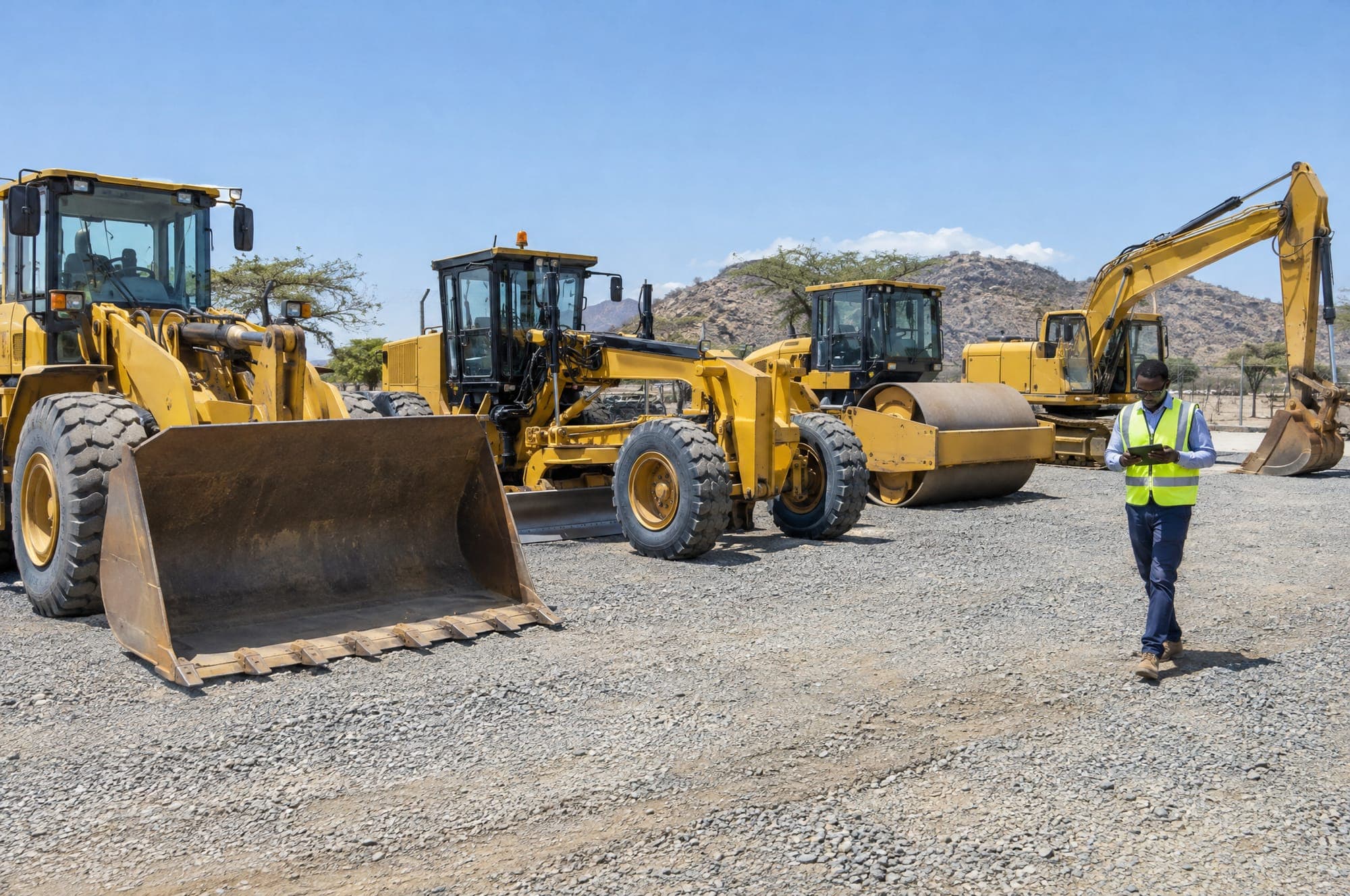
Heavy plant and trucks working in Somalia face hard conditions: heat, dust, rough roads and long operating hours. Without a disciplined maintenance program, breakdowns become frequent, repairs become expensive and projects lose time. Preventive maintenance, carried out on a schedule rather than after a failure, is the most effective way to keep a fleet available and safe.
Why breakdowns cost more here
A breakdown in a city with dealers and parts suppliers nearby is an inconvenience. On a remote site in Somalia, it can stop work for days or weeks while parts are shipped and a mechanic travels out. A broken-down truck on a road between sites also exposes the crew and the load. Each failure prevented saves far more than the cost of the service that prevented it.
Building the program
A preventive maintenance program starts with knowing what you have. An asset register records each machine, its condition, its maintenance history and its hours or mileage. Services are then scheduled at the intervals the manufacturer sets, adjusted for the conditions. Dusty sites need more frequent air filter changes, for example, and machines doing heavy work need closer attention to hydraulics and undercarriage.
The core elements of a good program include:
- An asset register with condition and history for every unit
- Scheduled services by hours or mileage, planned in advance
- Daily pre-use checks by trained operators
- Spare parts and consumables held in stock
- Records of every inspection, service and repair
- Reporting on availability, faults and cost
Operators and daily checks
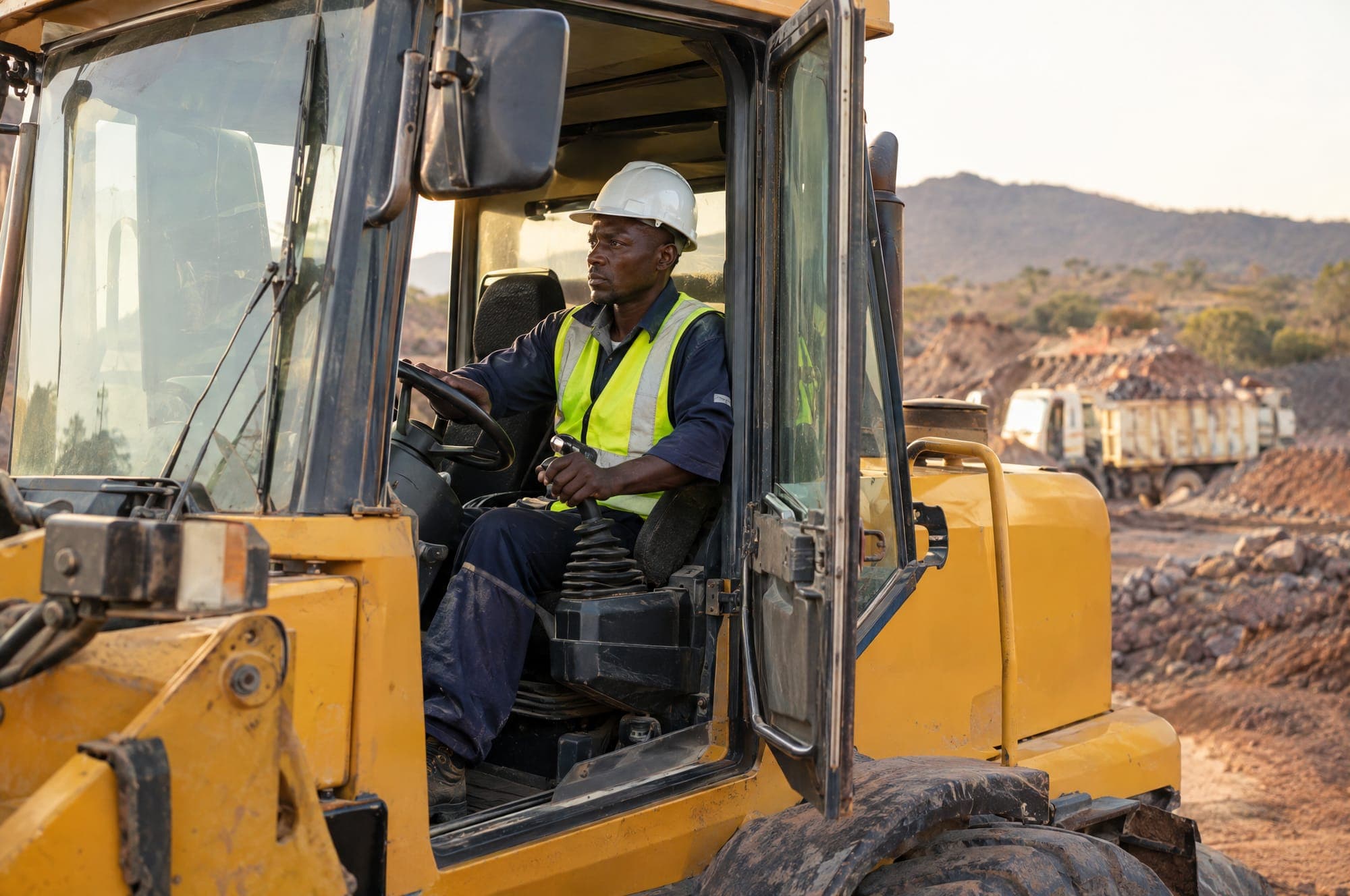
Operators are the first line of maintenance. A short daily check of fluids, tires or tracks, brakes, lights and warning systems catches most problems early. Operators should report faults straight away, and machines with safety-critical faults should not be used until repaired. Training operators to carry out and record these checks is one of the cheapest improvements a fleet can make.
Workshop and field support
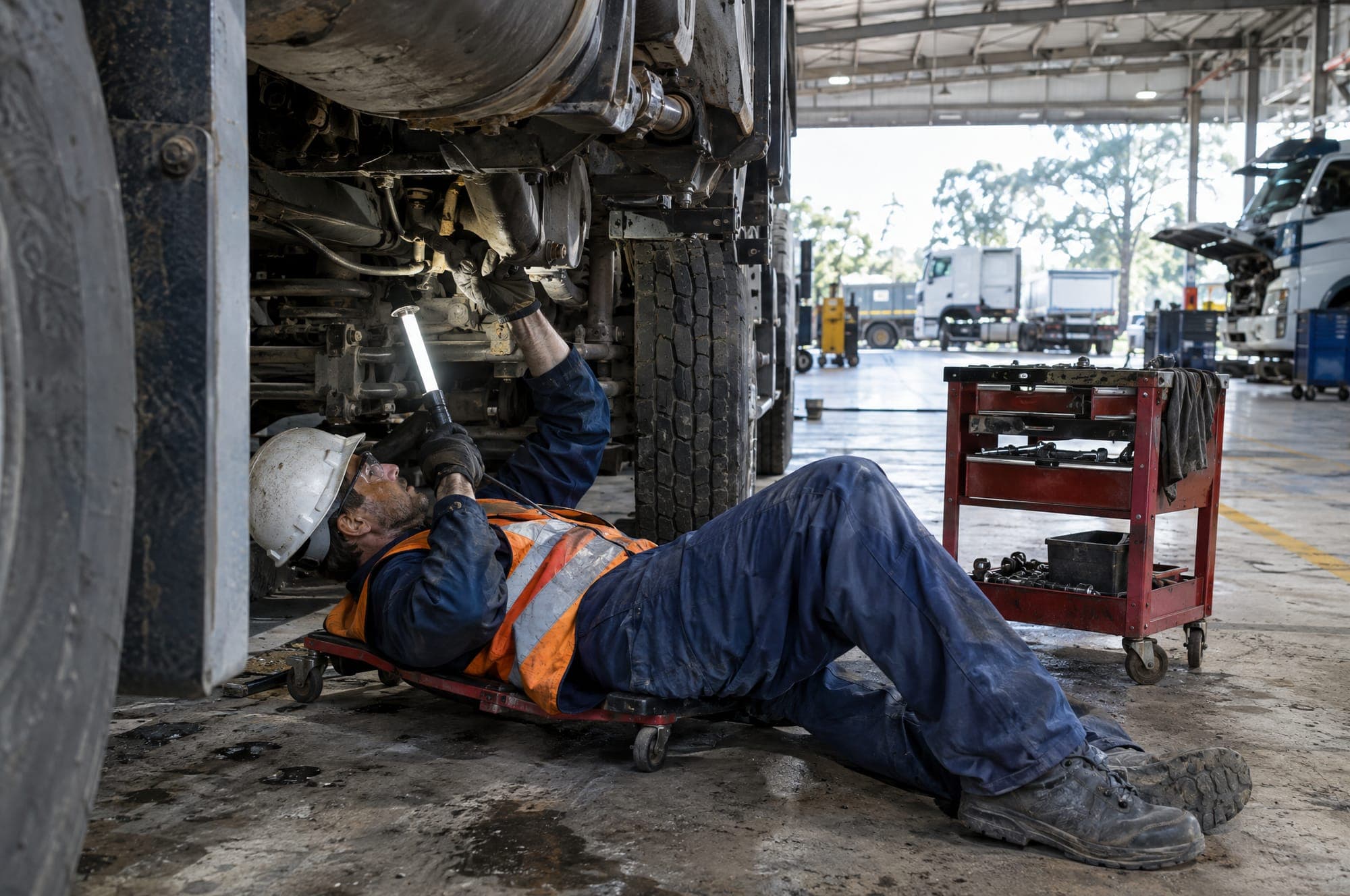
Some work needs a workshop, with lifting equipment, tools and trained mechanics. Other work is best done where the equipment is, to avoid moving heavy plant. A combination of an in-house workshop and mobile maintenance teams covers both. Holding spare parts locally avoids the long waits that come with importing parts for each repair.
Where a machine does need to come out of service, a replacement unit keeps the work moving. This is especially valuable for leased equipment, where the client's program depends on availability.
Reporting completes the picture. Records of availability, faults and costs show which assets are performing well, which are becoming expensive to keep, and when replacement or refurbishment makes more sense than further repair.
Our workshop in Mogadishu services light vehicles, buses and trucks, repairs heavy plant and equipment and overhauls generators, all on preventive maintenance programs. It is backed by spare parts, mobile maintenance teams and replacement units on standby. If you want a fleet that stays available in Somalia, our asset management team can help.