Insight · Workforce
Local recruitment done right in Somalia
Hiring locally in Somalia brings local knowledge and lasting skills. How to source, screen, train and manage a local workforce to international standards.
· 3 min read
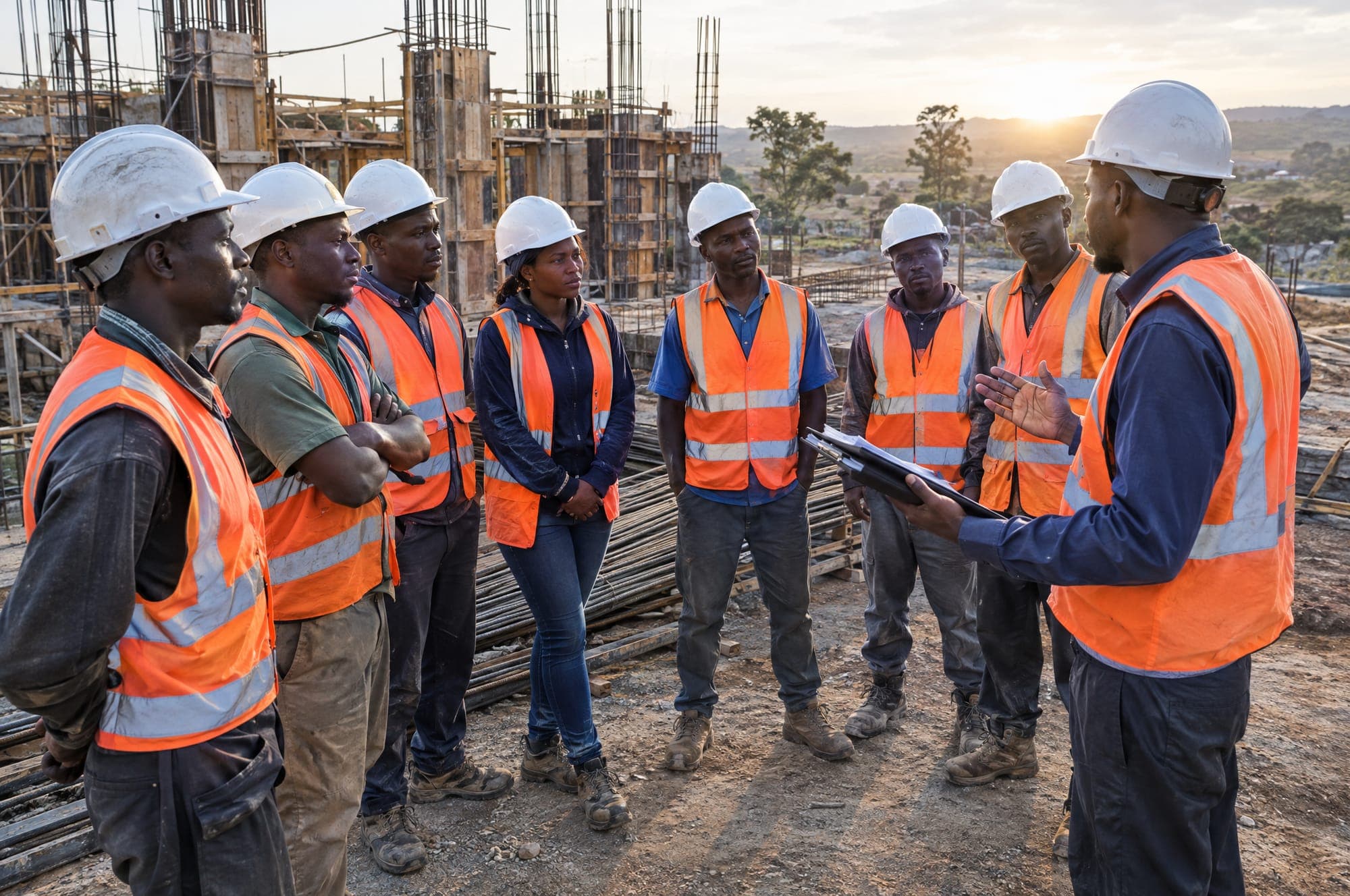
Most projects and operations in Somalia depend on a local workforce: trades, drivers, plant operators, technicians, kitchen and camp staff, and supervisors. Recruiting locally brings people who know the language, the conditions and the community, and it builds skills that stay in the country. Done well, it gives clients a capable, stable team. Done poorly, it creates turnover, disputes and risk.
Define the need and source fairly
Good recruitment starts with a clear requirement. For each role, the client and recruiter should agree the skills, experience, certifications and numbers needed, and when people must start. A vague request for “general labor” makes screening harder and leads to mismatches on site. A clear role profile helps find the right people the first time.
Local recruitment must be fair and seen to be fair. Vacancies should be advertised openly, selection criteria applied consistently and decisions recorded, with feedback given to candidates who are not selected. This reduces the risk of favoritism and helps maintain good relations with the communities around a site. It also supports equal access to work, including for women, who can be employed and trained across operations, logistics and management roles.
Screening before deployment
Every candidate should be checked before they reach site. A sound screening process includes:
- Identity and reference checks
- Trade tests for skilled roles
- Fitness-for-work checks suited to the job
- Confirmation of any licenses or certifications required
- Agreement to the site code of conduct
Trade testing is especially important. A practical test shows whether an electrician, welder or plant operator can do the work, which a certificate alone may not.
Training, terms and welfare
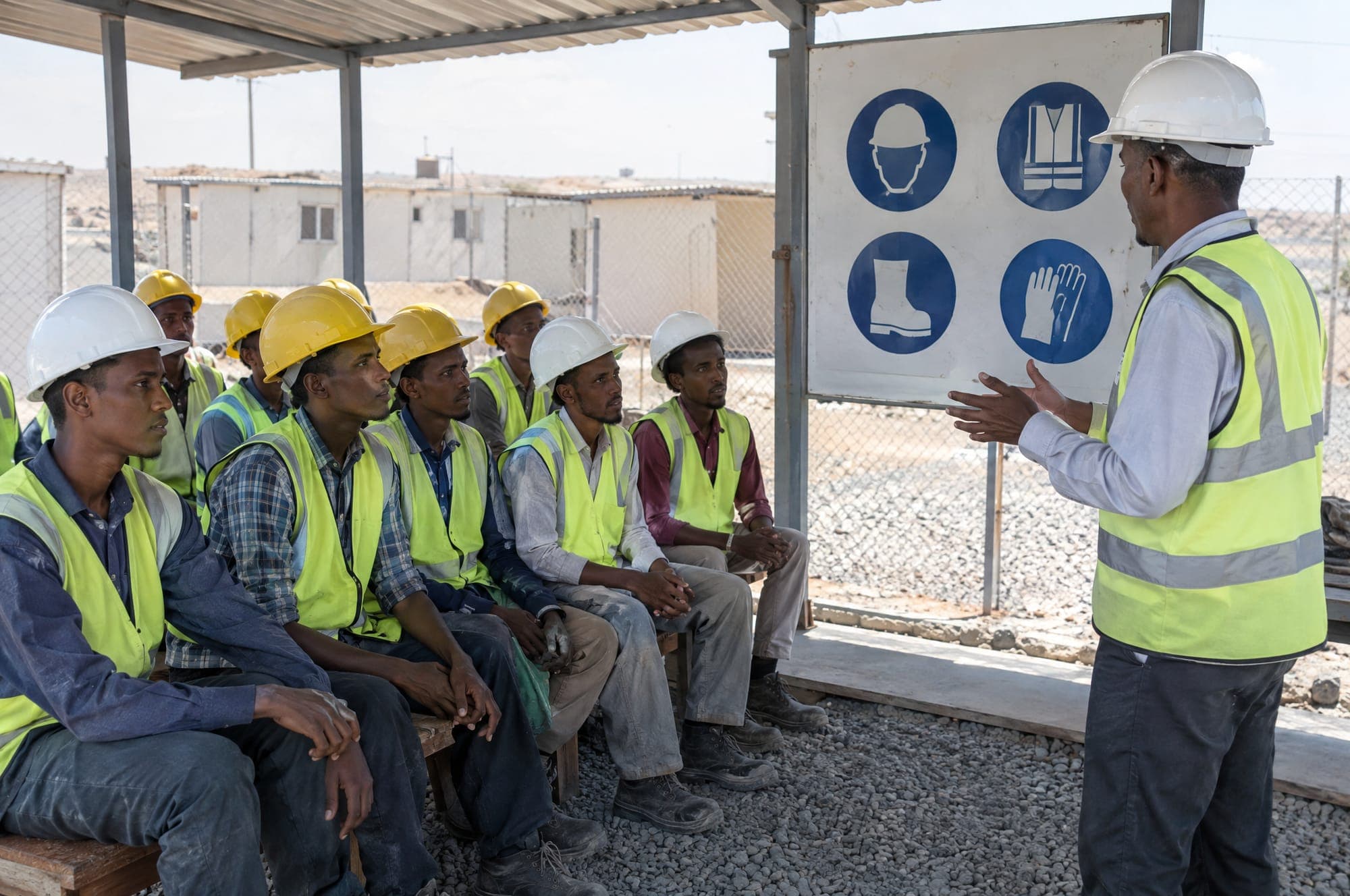
Once hired, every worker should complete site induction and training for their role, including HSE awareness. Records should be kept for each person. Clear contracts, fair terms of employment and payroll paid on time are essential. Late or unclear pay is one of the fastest ways to lose a good team, and clear payslips help avoid disputes.
Welfare matters too. Where workers live on or near site, accommodation, meals and transport should meet a decent standard. Supervisors and team leaders should look after their people as well as direct the work, and a clear code of conduct should apply to everyone.
Building skills that last
Local recruitment is most valuable when it also builds capability. Training staff for technical and supervisory roles creates a workforce that can take on more responsibility over time, and leaves skills in the community beyond any single contract.
Our workforce solutions team recruits locally wherever possible, then screens, checks references, tests trades and confirms fitness for work before anyone is deployed, with induction, payroll and welfare managed throughout. If you need a local workforce for a project or operation in Somalia, we can help you define and fill the roles.