Insight · Workforce
Making safety routine: HSE on every site
Safety on sites in Somalia works best as a daily routine. The HSE practices that keep crews safe in construction, logistics and facility work.
· 3 min read
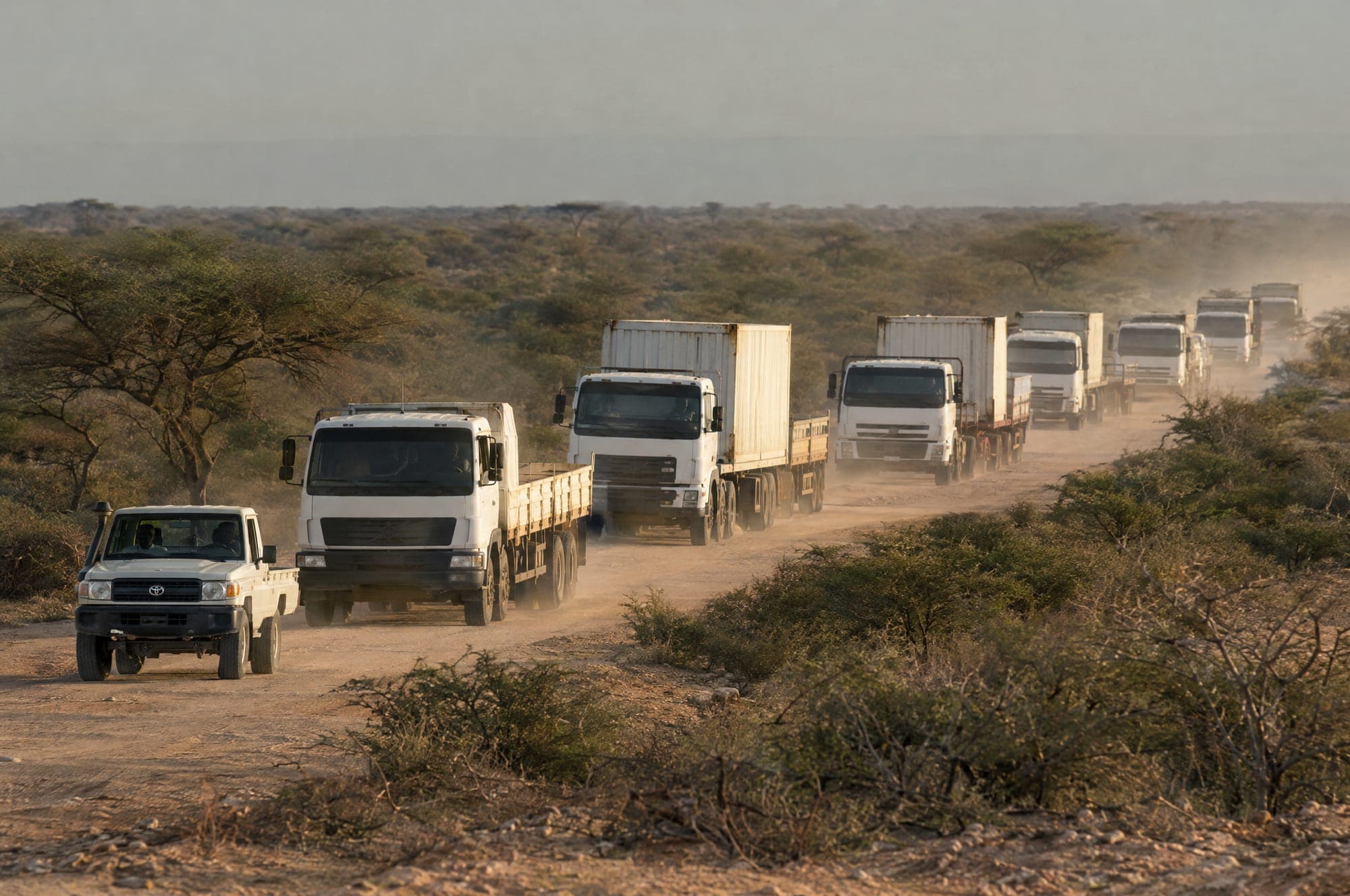
Health, safety and environment (HSE) systems are only as good as what happens on site each day. In Somalia, crews work in heat, around heavy plant, at height and on roads that carry risk. The aim is simple: every task is planned so that everyone on site goes home unharmed. Reaching that aim depends less on policies and more on routines that become habit.
Plan every task
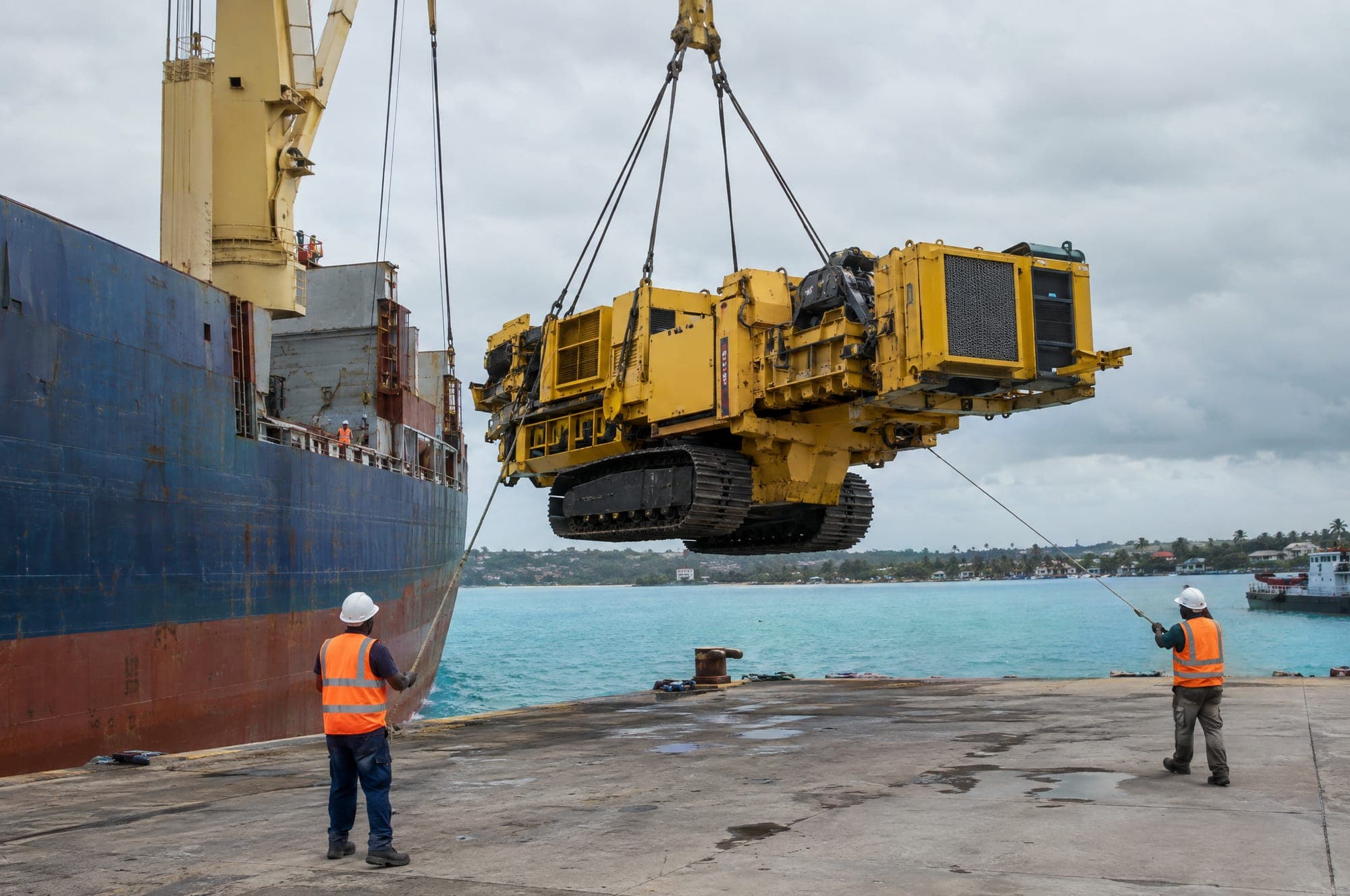
Safe work starts before the work does. Each task should be assessed for its hazards, and the controls agreed and explained to the crew. Higher-risk work, such as hot work, lifting, excavation, work at height or work on electrical systems, should be controlled through a permit to work, so that conditions are checked and signed off before work begins.
The daily routines
A small number of routines, carried out every day, do most of the work of keeping people safe:
- Toolbox talks at the start of each shift
- Correct PPE, issued, worn and replaced when damaged
- Pre-use checks on plant, vehicles and tools
- Permits to work for higher-risk tasks
- Site-level supervision by trained staff
- Prompt reporting of incidents and near misses
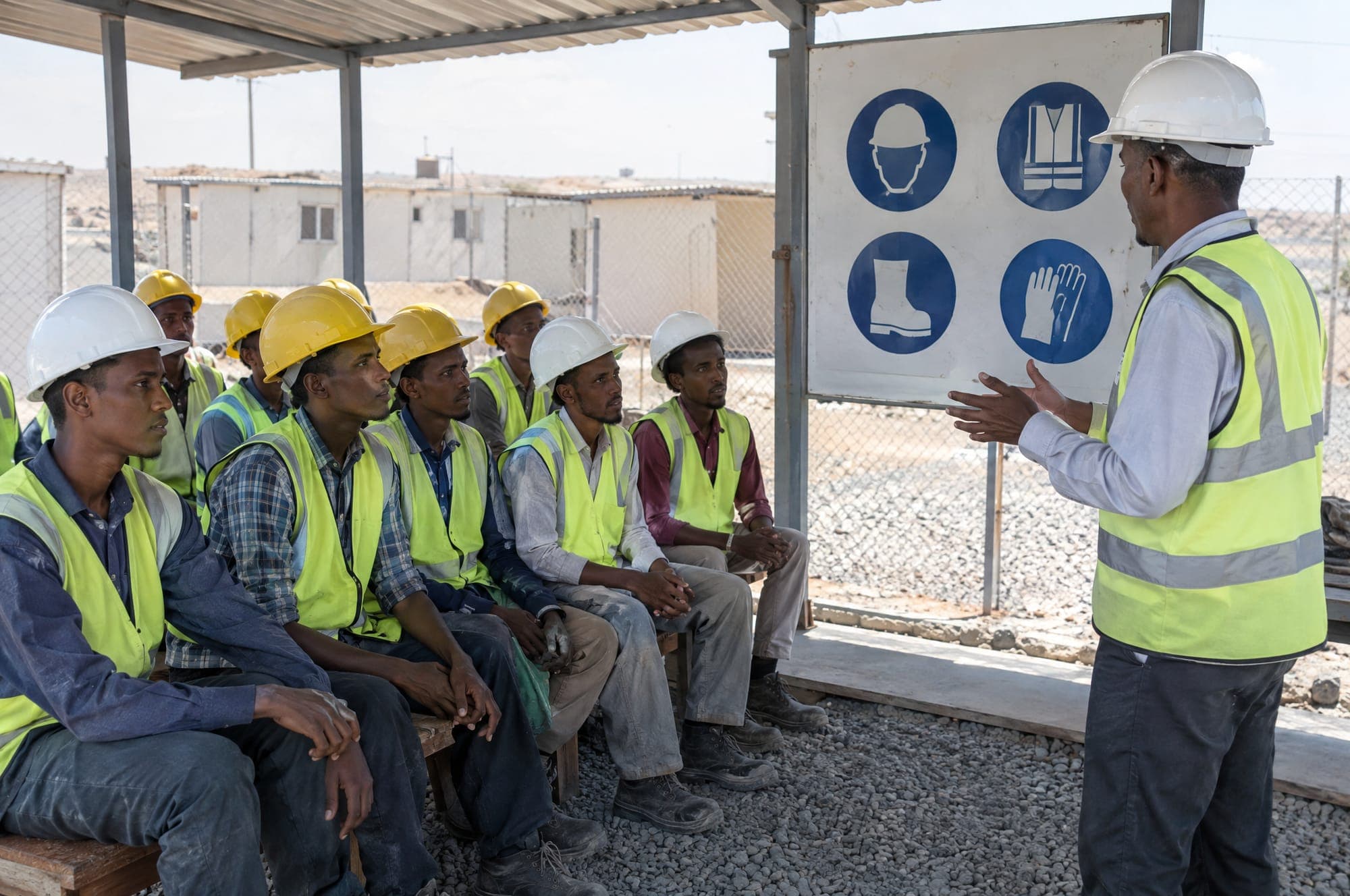
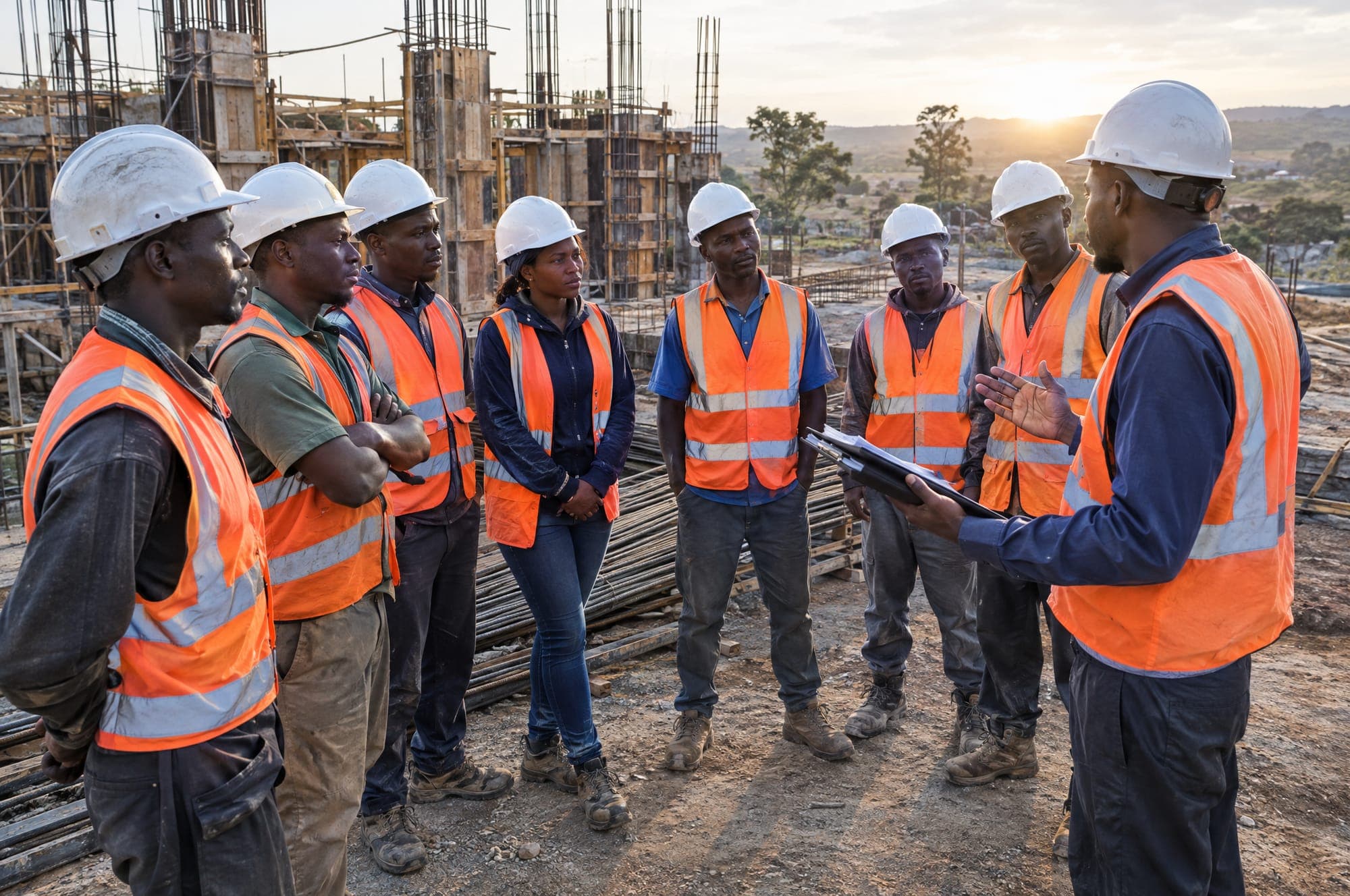
Toolbox talks are short, practical briefings on the day's work and its risks. They work best when they are specific to the task and when the crew is encouraged to speak up. A worker who raises a concern should be thanked, not ignored.
Heat, health and welfare
Heat is a constant hazard in Somalia. Work schedules should allow for rest breaks, shade and drinking water, with the heaviest work planned for cooler parts of the day where possible. Supervisors should watch for signs of heat stress. Good accommodation, meals and welfare support also help, because tired or unwell workers are more likely to have accidents.
Measure what matters
Counting incidents after they happen tells only part of the story. Leading indicators, such as the number of toolbox talks held, inspections completed, near misses reported and corrective actions closed, show whether the safety system is working before someone is hurt. These should be tracked and reviewed, and trends discussed with the crews.
Incidents and near misses should be investigated to find the cause, not someone to blame. The lessons should be shared across sites so the same problem does not happen twice.
Training ties it together. Every person should complete site induction and HSE awareness training before starting work, with records kept. Supervisors should be trained to lead safety on their sites, not just to enforce rules.
We apply risk assessment, permits to work, toolbox talks, PPE, incident reporting and site-level supervision on every task, and we track leading indicators, not only incidents. Our workforce solutions team trains every person we deploy. If you want to understand how we manage HSE on projects in Somalia, our team can walk you through our approach.